
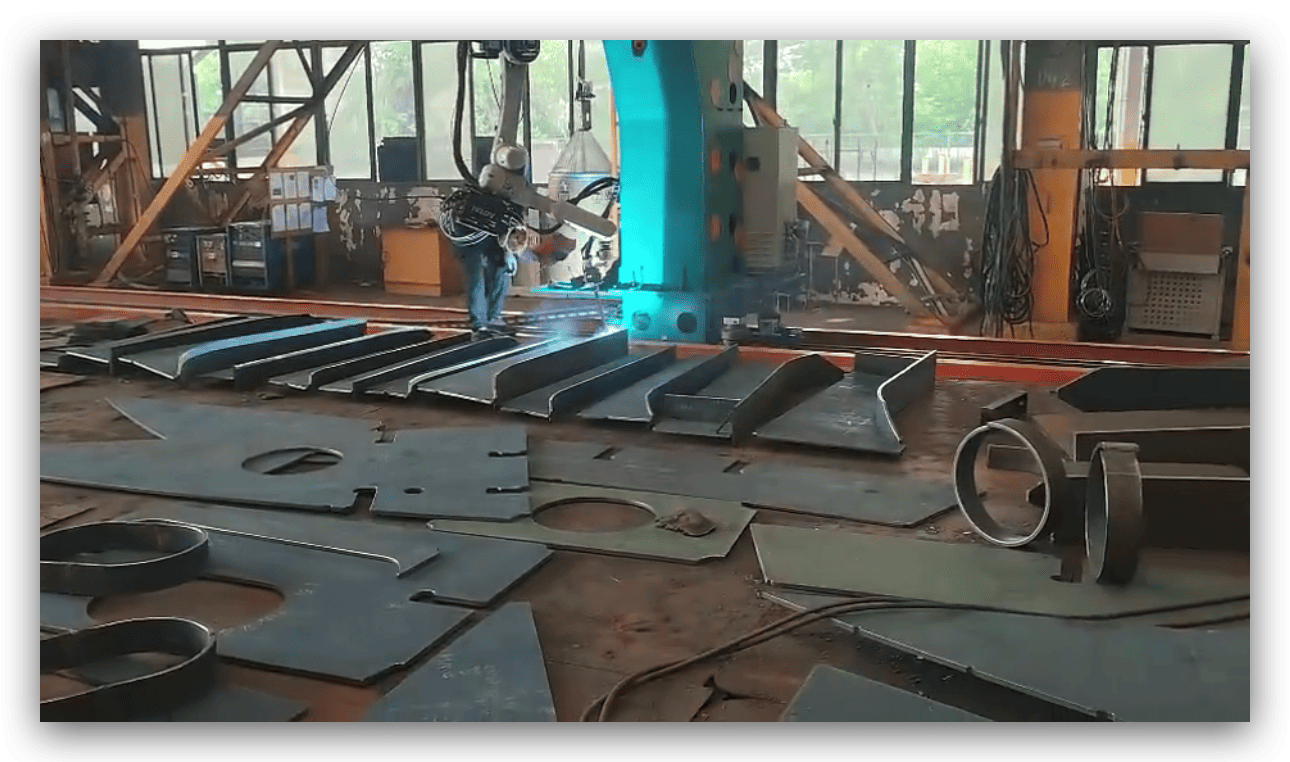
Intelligent robot workstations, intelligent work islands, providing the entire process (cutting, assembly, welding, grinding, inspection, etc.) of intelligent applications for the non-standard metal structure manufacturing industry.
Own a 3kW platform laser welder, start your home business!
Take welding orders for industrial parts, pipes, flanges & fittings.
Become your own boss with zero big workshops needed. ... See MoreSee Less
0 CommentsComment on Facebook
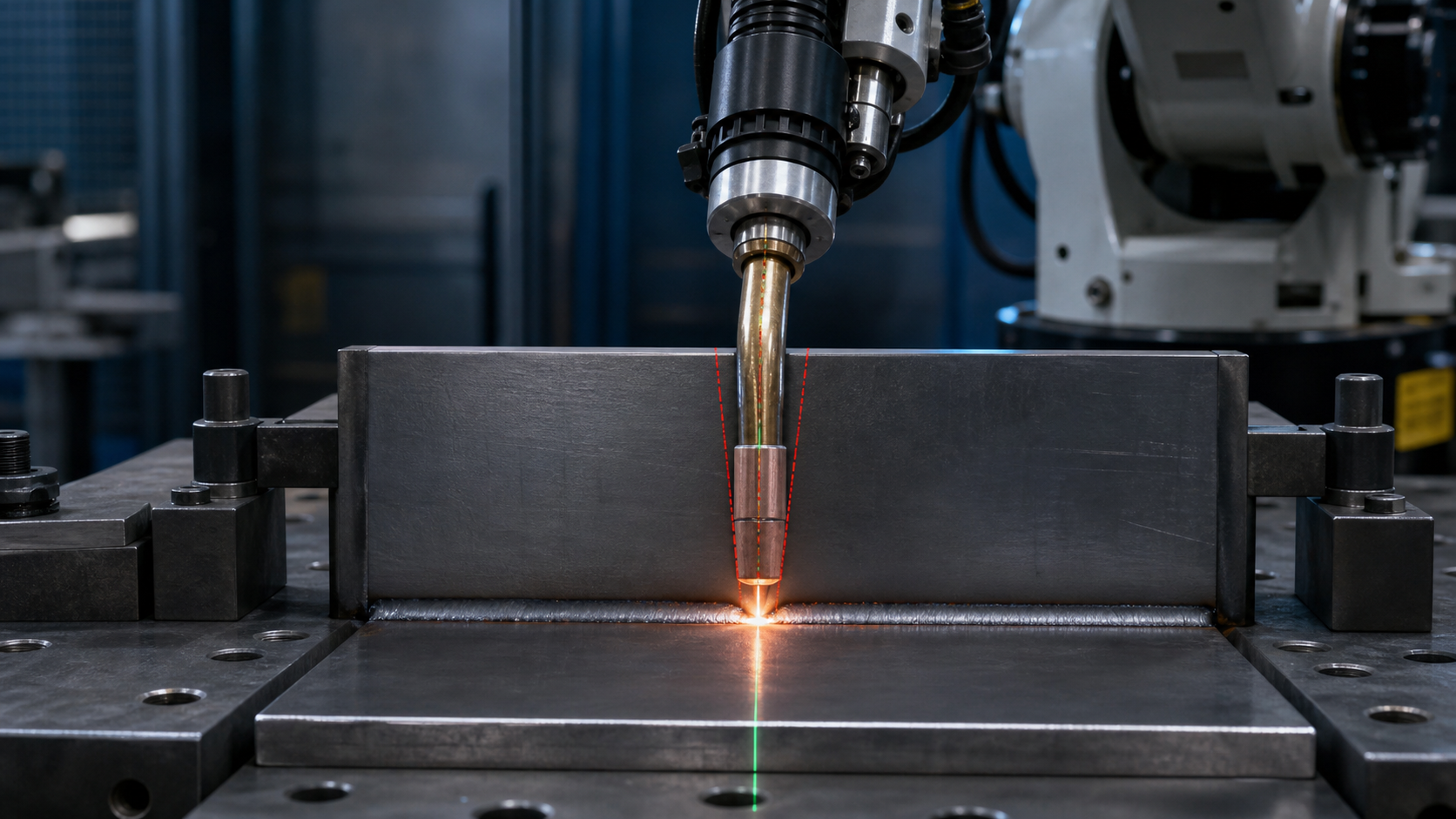
🔹 1. What is this system?
This system is a laser vision seam tracking system.
It is not doing the welding itself — it acts as the “eyes” of the robot.
It detects the weld seam and guides the robot where to weld.
🔹 2. What can it do?
This system can:
* Automatically detect different weld types (butt, fillet, lap, tube, etc.)
* Calculate weld parameters (width, height, angle, radius)
* Track the weld seam in real time
* Correct welding path automatically during operation
🔹 3. Why is it important?
In real production, problems always exist:
* Workpieces are not perfectly aligned
* There are gaps, deformation, or misalignment
* Manual teaching is time-consuming
This system solves these problems.
Even if the weld seam is not perfectly straight or consistent,
the robot can still follow it accurately.
🔹 4. Key advantages
* No need for complex manual teaching
* Real-time seam tracking and correction
* Stable welding quality
* Suitable for complex and long weld seams
* Can store multiple programs (JOBs) for different products
You just select the correct JOB, no need to reprogram every time.
🔹 5. How it works (simple process)
1. Scan and connect the sensor
2. Turn on the laser and camera
3. Select or create a welding JOB
4. Teach a few reference points
5. System automatically calculates weld parameters
6. Robot follows the seam automatically
🔹 6. Data monitoring (industrial level)
The system also provides real-time data such as:
* Detection success rate
* Stability (jitter & deviation)
* Real-time weld position
This ensures high reliability and consistent quality.
🔹 7. Communication with robot
The system communicates with robots (via protocols like Modbus)
and continuously sends correction signals during welding.
🔹 8. Final understanding (very important)
This system allows:
“Welding with tolerance, not perfect parts.”
Even if your workpieces have errors,
the robot can still weld accurately and consistently. ... See MoreSee Less
0 CommentsComment on Facebook
1. Wide variety of workpieces with frequent switching
Many steel structure manufacturers undertake project-based orders. The workpieces in different projects vary significantly in size, structure, and welding seam paths, making it difficult to fully reuse welding programs.
2. Large assembly deviations of workpieces
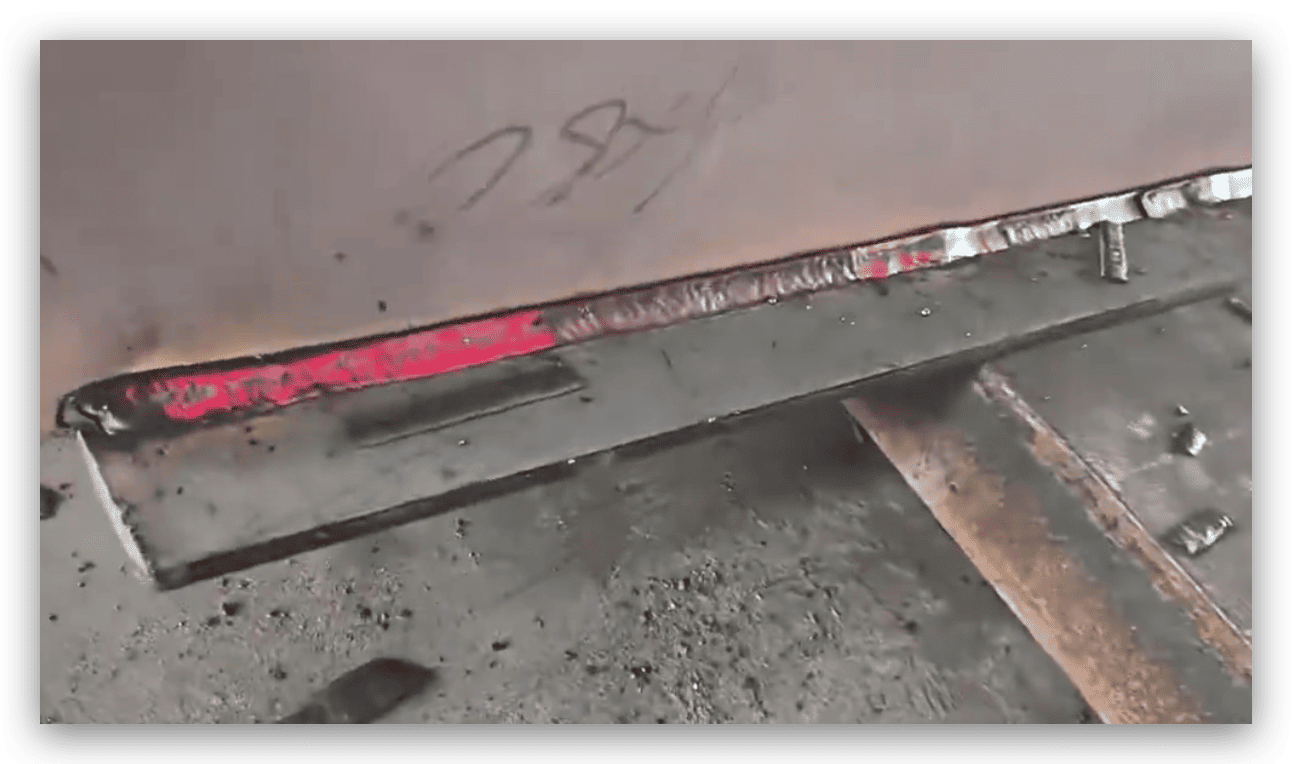
During plate cutting, assembly, tack welding, and lifting, issues such as weld seam deviation, gap variation, misalignment, and deformation are inevitable. Even after manual teaching is completed, deviations in the workpiece may still cause the welding torch to move away from the seam center during actual welding.
3. Long and complex weld seams
In steel structures, common weld types such as fillet welds, butt welds, T-joint welds, and lap welds are often long. Some components also include arcs, broken lines, corners, and irregular structures, which require very high path-following capability from the robot.
4. Low efficiency of manual teaching
For a large number of non-standard workpieces, relying on manual teaching for each weld seam is not only time-consuming but also increases maintenance workload, significantly affecting production efficiency. ... See MoreSee Less
2 CommentsComment on Facebook
Nice
Johnny Schonewille
Feel free to inquire now. We are always here to help you.
Siéntase libre de hacer su consulta ahora. Siempre estamos aquí para ayudarlo.
لا تتردد في الاستفسار الآن. نحن دائمًا هنا لمساعدتك.
Не стесняйтесь задавать вопросы. Мы всегда готовы помочь вам.