Equipment for Metal Fabrication
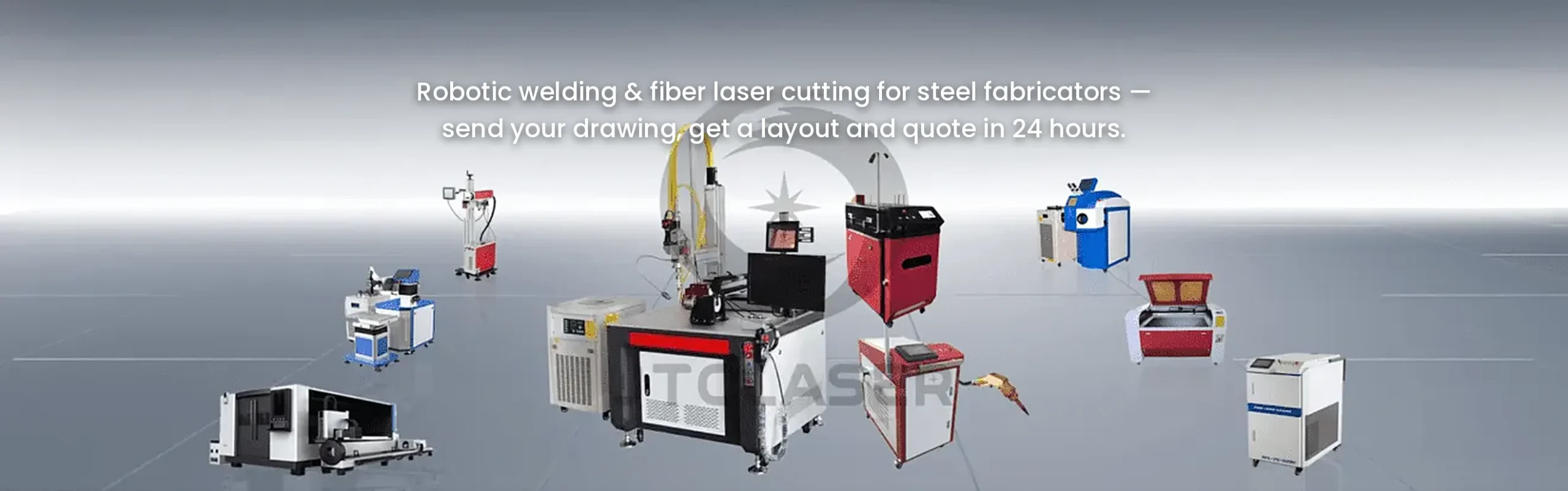
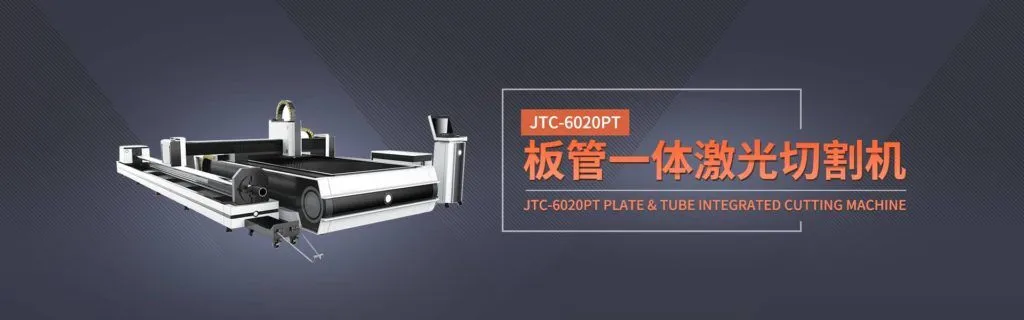
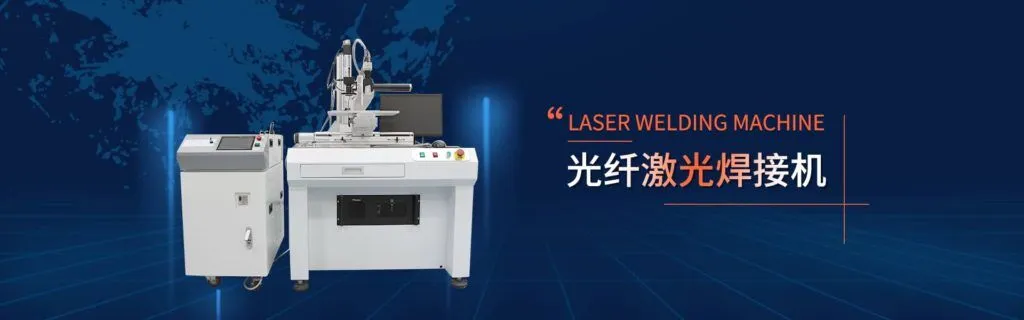
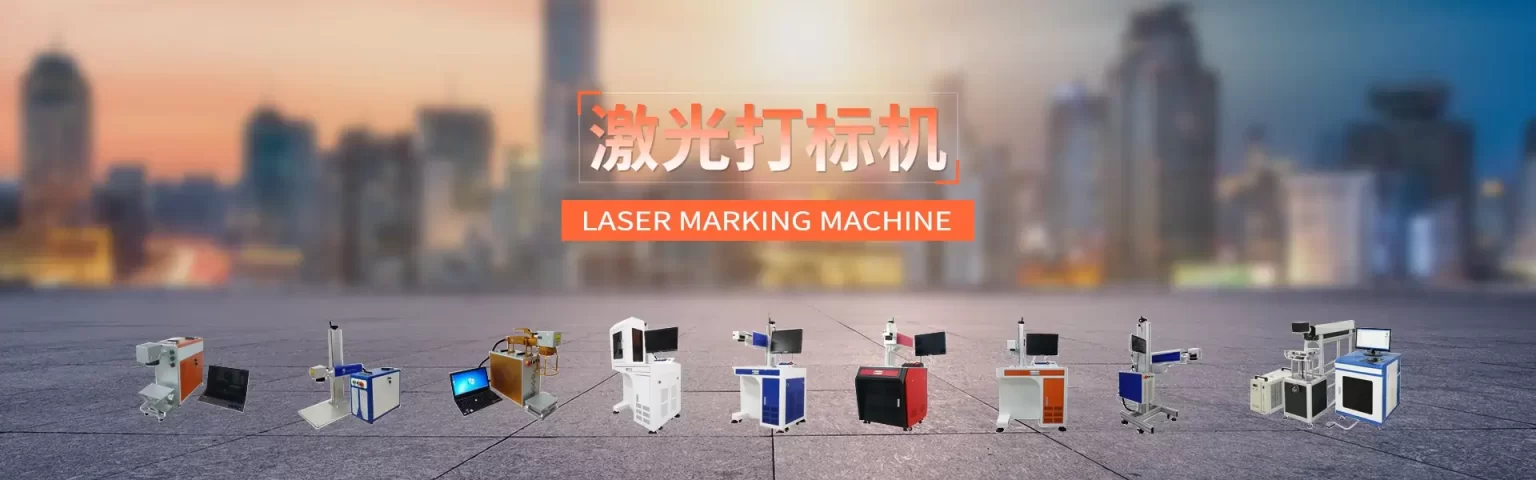
JTCLASER supplies robotic welding workstations, fiber laser cutting machines, and handheld laser welders for metal fabrication.
Equipment selection starts with your parts and production requirements. Material, thickness, joint design, and batch size help determine which process and configuration to consider.
For a robotic welding project, discuss part consistency, weld access, and fixturing before choosing a workstation. These factors affect how the system can be used in your workshop.
Share your drawings or part photos with JTCLASER to start a practical discussion about your application.
JTC Laser
Intelligent robot workstations, intelligent work islands, providing the entire process (cutting, assembly, welding, grinding, inspection, etc.) of intelligent applications for the non-standard metal structure manufacturing industry.
Reverse engineering, modeling, and welding of bridge partitions. ... See MoreSee Less
0 CommentsComment on Facebook
Why do two steel plates need a V-groove when they're butt welded, with a deliberate gap left in the middle? The reason is simple: once the plates get thick, the arc can hardly melt all the way to the bottom of the joint. The groove and the gap let the heat truly reach the root, so the full thickness is penetrated.
But full penetration doesn't mean the job is done. Take an X-ray, and you may find porosity or slag hidden inside the weld. It looks fine day to day, but under long-term load these spots can become crack origins, growing until the joint breaks.
Take the most common process — shielded metal arc welding. The arc melts the electrode and the base metal, forming a weld pool at the joint. As the pool cools and solidifies, the weld takes shape. And that's exactly where many defects appear. Take hot cracking, the most common one: as the weld solidifies, each area cools at a different rate while the metal is still shrinking, so the last part to solidify can be pulled apart.
Another kind is even trickier. The weld looks fine at first, then cracks hours or even days later — this is hydrogen-induced cold cracking. Damp electrodes or moisture on the workpiece can carry hydrogen into the weld zone. If the weld cools too fast, it becomes hard and brittle; add tensile stress, and it cracks easily. That's why some steels are preheated before welding — raising the base metal temperature lets the weld cool more slowly, making cold cracks less likely. Some structures also need post-weld heat treatment: cooling from high temperature leaves residual stress inside, and heat treatment relieves it, lowering the risk of distortion and cracking.
But cracks aren't the only problem. Sometimes the surface looks perfect, yet the weld metal never truly fused with the base metal — this is lack of fusion. A dirty surface or too little heat can leave this unbonded interface. And if the heat doesn't reach the joint root, an unwelded zone is left at the bottom: incomplete penetration. That's exactly why thick plates get a groove and a gap — so the heat reaches the root and the whole joint is fully penetrated.
Of course, problems don't only occur inside the weld, but at the edges too. If a groove is melted into the edge of the base metal but the weld metal doesn't fill it back, that's undercut — usually caused by too much heat input or an arc that's too long.
Look deeper into the weld, and you'll find more. If gas in the weld pool can't escape before the metal solidifies, it leaves holes inside — porosity. Welding also produces slag, which should float out; but if the metal cools too fast, the slag gets trapped inside. And in multi-pass welding, slag from a previous pass that isn't cleaned before the next pass covers it becomes slag inclusion.
Many of these defects hide inside the weld, invisible to the naked eye. That's why we rely on non-destructive testing — most commonly radiographic testing. Think of it as taking an internal photo of the weld: as the rays pass through, volumetric defects like pores and slag absorb them differently and show up on the image. But thin planar defects like cracks and lack of fusion may be missed if they're poorly oriented — that's when ultrasonic testing comes in. High-frequency sound waves bounce off defects, and the echoes reveal whether there's a problem and roughly where it is.
So the real challenge in welding was never just joining two pieces of metal. From grooving and gapping before welding, to controlling heat during welding, to preheating, post-weld heat treatment and final inspection — all these steps serve one goal: a weld that is truly strong and reliable for the long run. ... See MoreSee Less
0 CommentsComment on Facebook
¿Por qué, al soldar a tope dos chapas de acero, hay que abrir primero un bisel en V y dejar además una separación en el centro? La razón es sencilla: cuando las chapas son gruesas, el arco apenas llega a fundir el fondo de la junta. El bisel y la separación permiten que el calor llegue de verdad a la raíz y se suelde todo el espesor.
Pero lograr la penetración no significa que el trabajo haya terminado. Si lo examinas con rayos X, puedes encontrar poros o escoria ocultos dentro del cordón. En el día a día parece estar bien, pero bajo carga prolongada esos puntos pueden iniciar grietas que crecen hasta que la junta se rompe.
Tomemos el proceso más común: la soldadura por arco con electrodo revestido. El arco funde el electrodo y el metal base, formando un baño de fusión en la junta. A medida que el baño se enfría y solidifica, se forma el cordón. Y justo ahí aparecen muchos defectos. El más común es la grieta en caliente: al solidificarse, cada zona se enfría a distinta velocidad mientras el metal sigue contrayéndose, y la última zona en solidificar puede agrietarse.
Hay otro tipo aún más problemático. Recién soldado parece perfecto, pero se agrieta horas o incluso días después: es la fisuración en frío por hidrógeno. Los electrodos húmedos o la humedad de la pieza pueden introducir hidrógeno en la zona de soldadura. Si el cordón se enfría demasiado rápido, se vuelve duro y frágil; con tensión de tracción, se agrieta con facilidad. Por eso algunos aceros se precalientan antes de soldar: así el cordón se enfría más despacio y las grietas en frío son menos probables. Algunas estructuras también requieren tratamiento térmico posterior, ya que al enfriarse desde alta temperatura quedan tensiones residuales; el tratamiento las reduce y baja el riesgo de deformación y grietas.
Pero las grietas no son el único problema. A veces la superficie se ve perfecta, pero el metal de aporte no se fundió con el metal base: esto es falta de fusión. Una superficie sucia o poco calor pueden dejar esta interfaz sin unir. Y si el calor no llega a la raíz, queda una zona sin soldar en el fondo: falta de penetración. Por eso las chapas gruesas llevan bisel y separación.
Claro que los problemas no solo están dentro del cordón, también en los bordes. Si se funde un surco en el borde del metal base y el metal de aporte no lo rellena, eso es una mordedura, que suele deberse a un aporte de calor excesivo o a un arco demasiado largo.
Sigamos mirando dentro del cordón. Si el gas del baño no escapa antes de que el metal solidifique, deja huecos en su interior: es la porosidad. La soldadura también genera escoria, que debería flotar; pero si el metal se enfría muy rápido, queda atrapada. Y en soldaduras de varias pasadas, si la escoria anterior no se limpia y la siguiente pasada la cubre, se produce inclusión de escoria.
Muchos de estos defectos se esconden dentro del cordón y no se ven a simple vista. Por eso recurrimos a los ensayos no destructivos; el más común es la radiografía: es como tomarle una foto interna al cordón. Al atravesarlo, los defectos volumétricos como poros y escoria absorben la radiación de forma distinta y aparecen en la imagen. Pero los defectos planos y delgados, como grietas o falta de fusión, pueden pasar desapercibidos según su orientación; ahí entra el ultrasonido: las ondas de alta frecuencia rebotan en los defectos, y los ecos indican si hay un problema y dónde está aproximadamente.
Así que lo difícil de soldar nunca ha sido solo unir dos piezas de metal. Desde el bisel y la separación, el control del calor al soldar, el precalentamiento y el tratamiento térmico, hasta la inspección final, todos estos pasos buscan un solo objetivo: un cordón realmente resistente y fiable a largo plazo. ... See MoreSee Less
0 CommentsComment on Facebook
Meet your new dream employee: Our Robot Worker
✅ Works day and night — no coffee breaks needed
✅ Never calls in sick, never asks for a vacation
✅ No tantrums, no drama, no office politics
✅ No salary, no social security, no benefits package
✅ Performs exactly the same — hour after hour, year after year
Ready to upgrade your workforce?
👉 DM us or visit [lasermanufacture.com/programming-free-robots/] to learn more!
Robotics #automation #FutureOfWork #nosleepnopayjustwork #robotworker ... See MoreSee Less
0 CommentsComment on Facebook
Meet your new dream employee: Our Robot Worker
✅ Works day and night — no coffee breaks needed
✅ Never calls in sick, never asks for a vacation
✅ No tantrums, no drama, no office politics
✅ No salary, no social security, no benefits package
✅ Performs exactly the same — hour after hour, year after year
Ready to upgrade your workforce?
👉 DM us or visit [lasermanufacture.com/programming-free-robots/] to learn more!
Robotics #automation #FutureOfWork #nosleepnopayjustwork #robotworker ... See MoreSee Less
0 CommentsComment on Facebook
Quality improvement drives sustainable volume growth. ... See MoreSee Less
0 CommentsComment on Facebook