
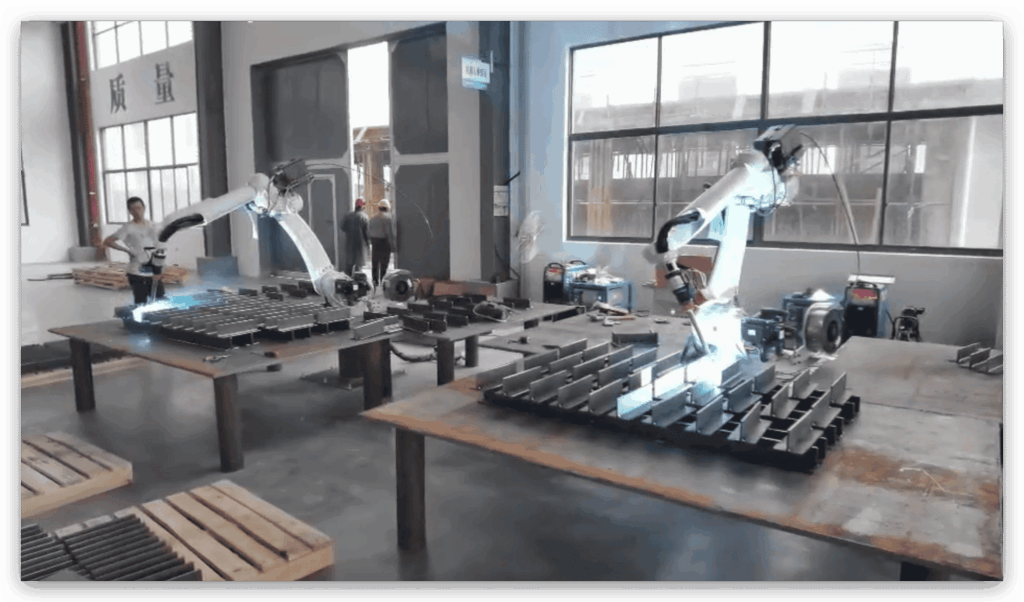
I've watched too many manufacturing managers rush into buying robotic welding systems, only to see those expensive machines gather dust in the corner six months later. The problem isn't the technology—it's the approach. After nearly two decades helping fabricators implement automated welding solutions across steel structure plants, automotive suppliers, and heavy equipment manufacturers, I've learned that choosing the right robotic welding system has almost nothing to do with technical specifications and everything to do with honest self-assessment.
Choosing the right robotic welding system starts with identifying your real production pain points through internal team discussions, establishing unified commitment from management to operators, and validating supplier claims through actual factory visits—not flashy demonstrations. Your buying process should prioritize operational readiness over technical specifications, because even the most advanced teaching-free robotic welding station will fail if your team isn't prepared to use it.
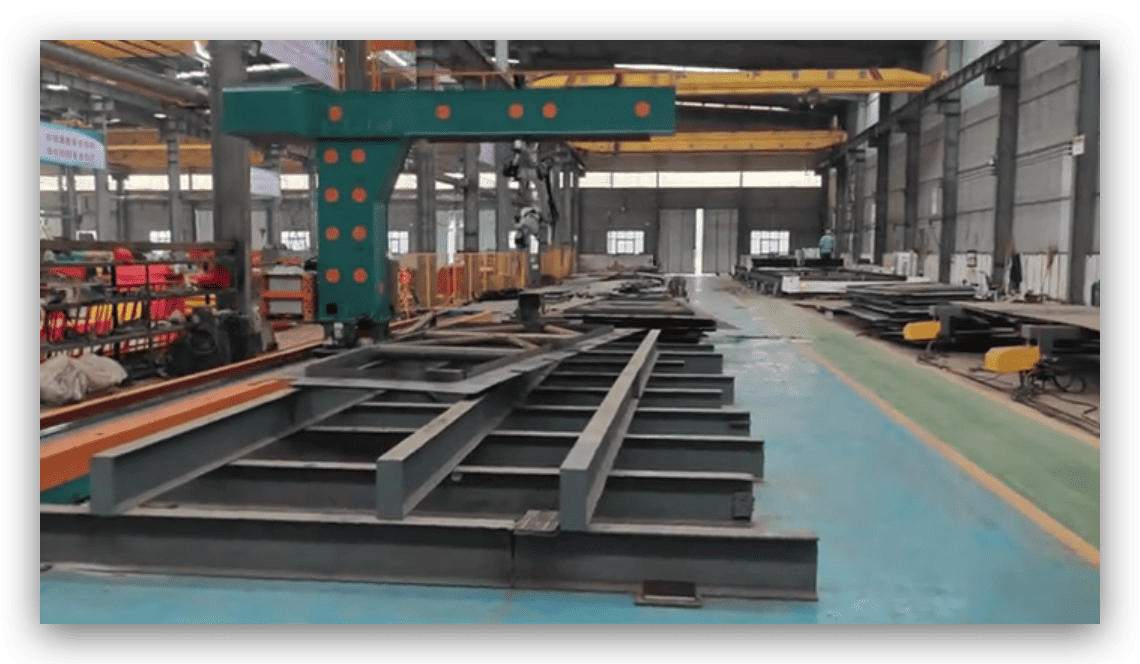
Here's what most equipment vendors won't tell you: the gap between a successful robotic welding implementation and an expensive failure isn't about robot brands or welding parameters. It's about whether you've done the hard internal work before the salesperson ever walks through your door. Let me walk you through the three non-negotiable steps that separate buyers who transform their operations from those who just drain their capital budgets.
What Production Problems Should You Identify Before Considering Robotic Welding?
You'd be surprised how many purchasing managers can't clearly articulate why they want a robotic welding system beyond "everyone else is automating." That's a terrible starting point. Last year, I consulted with a structural steel fabricator who wanted an automatic robotic welding system because their competitor posted impressive videos online. After our first meeting, we discovered their real bottleneck wasn't welding speed—it was material handling delays between stations.
Before evaluating any robotic welding system, convene your production team—shop floor supervisors, welding foremen, process engineers, and equipment maintenance staff—to document specific, measurable production pain points. Identify where quality failures occur, which joints cause the most rework, what throughput numbers you're actually missing, and how much skilled welder time is wasted on repetitive tasks versus critical work.
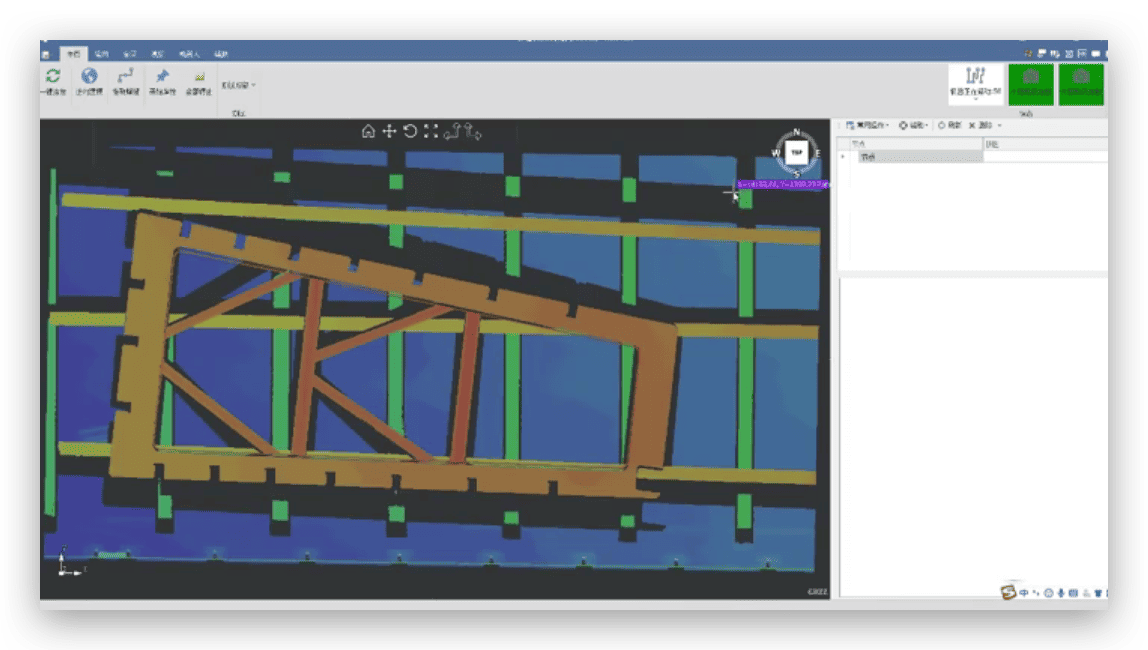
This internal discovery meeting is your foundation. Without it, you'll walk into vendor presentations defenseless against marketing narratives that sound impressive but don't match your actual needs. I've seen operations managers fall in love with sophisticated 3D vision welding robots when their application was perfectly suited for a simpler, more reliable solution.
Map Your Current Welding Operations Honestly
Pull your production data from the last six months. Don't rely on memory or best-case scenarios. Which weld joints are failing quality inspection most frequently? Where are you seeing the highest rejection rates? I worked with an H beam fabricator who insisted they needed a robotic welding system for H beams to increase speed. The real data showed their welders were hitting productivity targets—but inconsistent weld penetration on flange-to-web joints was causing costly rework that delayed delivery by days.
Create a simple matrix:
| Problem Area | Current Cost | Frequency | Impact on Delivery |
|---|---|---|---|
| Inconsistent weld quality | $ per rejection | Daily/Weekly/Monthly | Days delayed |
| Skilled welder shortage | Overtime costs | Ongoing | Production capacity limited |
| Repetitive strain injuries | Workers' comp + lost time | Per year | Productivity loss |
| Complex joint preparation | Setup time per piece | Per batch | Throughput bottleneck |
This isn't busywork. This matrix becomes your requirements document. When a vendor demonstrates their intelligent robotic welding workstation, you can immediately assess whether it addresses your documented problems or just showcases impressive but irrelevant capabilities.
Distinguish Between Pain Points and Wish Lists
Here's where discipline matters. Your actual pain point might be "we're rejecting 12% of our cantilever frame welds due to inconsistent leg length on fillet welds, costing us $8,400 monthly in rework labor." That's specific, measurable, and solvable with the right system—perhaps a weld seam tracking robot that maintains consistent torch position regardless of part tolerances.
A wish list item sounds like "it would be cool to have a no programming welding robot that looks futuristic." That's not a pain point. That's vendor-influenced thinking.
During your internal meeting, separate these categories ruthlessly. I use a two-column approach: "Problems That Cost Us Money Today" versus "Features That Might Be Nice." Only the first column should drive your purchase decision. The second column can serve as a tiebreaker between otherwise equivalent systems, but nothing more.
Quantify the Financial Impact of Each Problem
Every pain point you identify needs a dollar figure attached. This serves two purposes: it helps you establish a realistic budget (which we'll discuss in the next section), and it prevents you from solving $5,000 problems with $200,000 solutions.
When I worked with a bridge component manufacturer considering a laser seam tracking welding robot, we calculated that their inconsistent weld quality on thick plate joints was costing them roughly $22,000 annually in rework and scrap. The advanced laser tracking system they were considering cost $340,000. Even with a 10-year service life, the math didn't support the investment for that specific problem alone.
We shifted focus to their skilled welder shortage problem, which was limiting their ability to take on new contracts worth approximately $400,000 annually. Suddenly the same system made economic sense—but for a completely different reason than their initial inquiry. That's the power of honest financial quantification.
Include Your Welders in the Discovery Process
This might be the most important point in this entire section. Your experienced welders know things your engineers don't. They understand which joints are genuinely difficult versus which ones just look complex. They can tell you whether setup time or actual arc time is the real constraint. They know which material variations cause the most problems.
I've sat in conference rooms where engineers sketched out beautiful automation plans while the welding foreman sat silently in the corner, knowing the whole approach would fail because of a material handling issue no one else had considered. When I finally asked him directly, he pointed out that their incoming material had tolerance variations that would require constant manual adjustment—something the proposed system couldn't accommodate without significant modification.
Bring your best welders into this meeting. Ask them specifically:
- Which joints do they dread welding, and why?
- Where do they spend the most time on setup versus actual welding?
- What causes them to reject their own work most frequently?
- If they could change one thing about current welding operations, what would it be?
Their answers will be more valuable than any vendor's technical presentation. They're living with your current pain points every single day.
Why Must Your Entire Organization Commit Before Purchasing Welding Automation?
I'll be blunt: if you can't get universal buy-in from management, operators, and ownership before you sign a purchase order, don't buy the system. I don't care how good the deal looks. You'll waste your money. I've watched this play out too many times—a $400,000 robotic welding system with 3D camera sitting idle because the shop floor supervisor never really believed in it and subtly undermined every implementation attempt.
Organizational commitment means everyone from ownership to the newest welding operator agrees that making this system work is a shared priority, understands what changes it will require in their daily work, and commits to the training, process modifications, and temporary productivity dips necessary during implementation. Without this unified mindset, even the best automatic robotic welding system will fail.
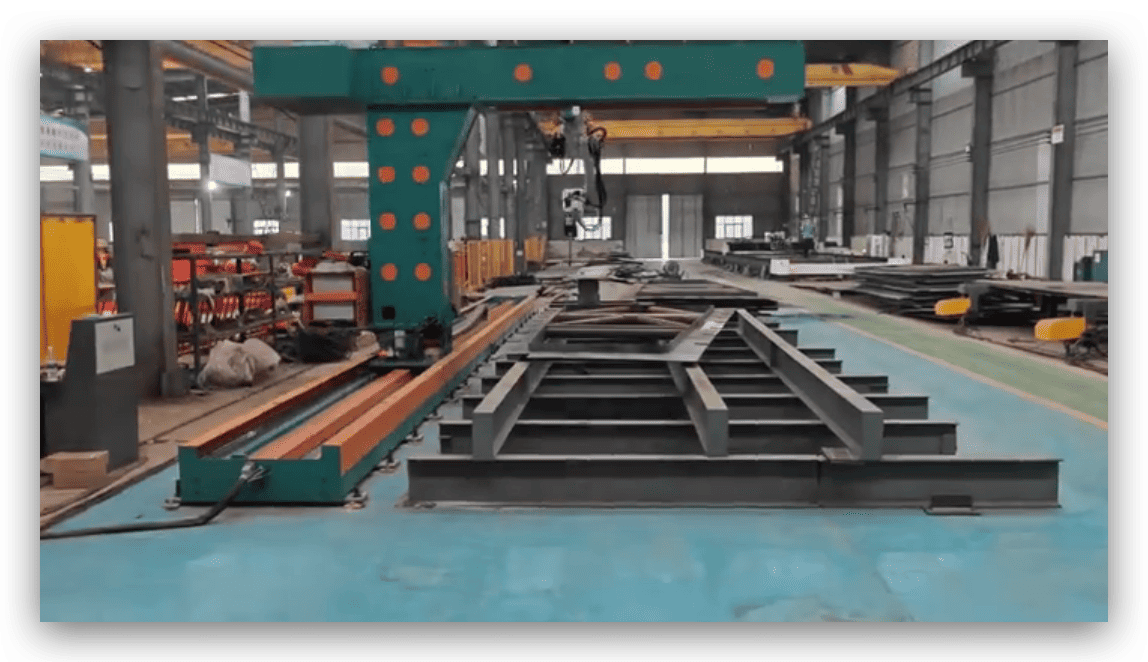
This isn't about getting people to nod politely in a meeting. This is about building genuine consensus around significant operational change. Robotic welding isn't like buying a new MIG welder—it's restructuring how your entire welding department functions.
Understand the Real Implications of Automation for Each Role
Let's talk about what changes when you implement an 8 axis robotic welding workstation. Your welding foreman's job transforms from scheduling skilled craftsmen to managing a production cell. Your maintenance team needs to learn robotic troubleshooting and servo system diagnostics. Your quality inspectors need different skills to verify automated weld quality. Your skilled welders—and this is the sensitive part—might fear their expertise is becoming obsolete.
These aren't trivial concerns you can dismiss with "they'll adapt." They require serious conversation and honest commitment. I facilitate a discussion exercise where each role-holder describes what they think will change in their daily work, what they're worried about, and what support they need. The insights are always revealing.
One automotive supplier I worked with discovered their best welder was actively sabotaging the new robotic welding system for large workpieces because he genuinely believed it would eliminate his job. Once we restructured his role to focus on complex custom work and difficult repairs—the things the robot genuinely couldn't do—he became the system's strongest advocate. But we only discovered his concern because we created space for honest conversation before the purchase.
Map Out the Training Investment Required
Here's a reality check: buying a zero programming robotic welding system doesn't mean zero training. It means different training. Your operators still need to understand the system, recognize when something's wrong, perform basic troubleshooting, and maintain the equipment properly.
Budget real training time. Not the cursory "here's the emergency stop button" walk-through many vendors provide, but genuine skill development. For a typical intelligent robotic welding workstation, I recommend planning:
- 40-60 hours of operator training for primary system users
- 20-30 hours of maintenance training for your technical staff
- 10-15 hours of overview training for supervisors and management
- Ongoing coaching support for at least the first three months of operation
That's a significant time investment. During those training hours, your production output drops. Your skilled people are in classrooms instead of making parts. This costs money—money you need to budget and commit to spending. If your CFO balks at the training investment, you don't have organizational commitment yet.
I once watched a heavy equipment manufacturer spend $520,000 on a sophisticated robotic welding system for steel structures, then refuse to budget for proper training because they wanted to "maximize uptime immediately." Six months later, the system was running at 40% capacity because operators didn't understand basic programming concepts and maintenance staff couldn't diagnose simple issues. They eventually spent more on remedial training and lost production than they would have invested upfront.
Address the Skilled Worker Transition Honestly
Let's acknowledge the uncomfortable truth: robotic welding systems do change the demand for certain skills. But they don't eliminate the need for skilled welders—they transform it. A structural steel robotic welding system can handle repetitive fillet welds on standard joints all day long, freeing your best welders to focus on complex assemblies, repair work, and custom projects that require human judgment and adaptability.
This transition requires honest communication and thoughtful planning. I recommend mapping out specifically:
What tasks move to the robot:
- Repetitive production welds on standardized parts
- High-volume joints with consistent parameters
- Welds requiring uncomfortable positions that cause operator fatigue
What remains human work:
- Complex assemblies with high variation
- Repair and rework situations
- Custom fabrication projects
- Setup and troubleshooting of the robotic system itself
When you frame this transition as "moving our most skilled people to higher-value work" rather than "replacing welders with robots," you get completely different reactions. But you have to mean it. If your plan genuinely eliminates skilled positions without creating new roles, your workers will resist—and they should.
Get Ownership Commitment to Process Change
The biggest implementation failures I've seen weren't technical—they were organizational. Management bought the system, then expected it to drop into existing workflows without disrupting anything. That's fantasy. A no teach pendant welding robot requires different material flow, different scheduling approaches, different quality verification methods, and different maintenance routines.
Your owners and senior management need to commit to supporting these process changes even when they're inconvenient, especially during the initial implementation period when everything takes longer and nothing works smoothly. This means:
- Accepting temporary productivity dips during the first 3-6 months as teams learn the system
- Authorizing process changes that might disrupt comfortable routines
- Supporting training investments even when production schedules are tight
- Resisting the temptation to abandon the system when early challenges emerge
I worked with a contract manufacturer whose management committed to a 9 axis robotic welding station, then panicked when productivity dropped 15% during the first month of implementation. They pulled operators off training to "catch up on production," which meant no one learned the system properly, which meant productivity stayed depressed, which created a vicious cycle. It took nine months to recover from that initial panic decision.
Get written commitment from ownership that they understand implementation will be disruptive and they're prepared to support the process even when quarterly numbers take a temporary hit. If they won't commit to that, postpone the purchase until they will.
How Can You Validate Supplier Claims Through Real Factory Visits?
Here's where most buying processes go completely off the rails. You've done your internal homework, identified real pain points, and built organizational commitment. Now you contact suppliers, and suddenly everything gets complicated. Every vendor claims their automatic weld path generation robot is revolutionary. Every sales presentation includes impressive demonstration videos. Every booth at trade shows showcases perfect welds on polished sample pieces.
The only way to validate supplier claims is to visit actual customer factories where the equipment runs in real production conditions, operated by regular shop floor workers, on typical parts with real-world variations and challenges. Demonstration videos and sales presentations tell you what equipment can do under perfect conditions—factory visits tell you what it actually will do in your environment.
This step isn't optional, and it can't be shortcut. I don't care how impressive the vendor's demonstration facility looks or how many certifications they hold. Until you see their equipment running in an environment similar to yours, operated by workers with skill levels similar to your team, you're buying on faith.
Why Demonstration Samples Are Fundamentally Misleading
Let me explain the problem with those beautiful sample welds vendors show you. When a supplier brings a teaching-free robotic welding station to a trade show or sets up a demonstration at their facility, everything is optimized. The parts have perfect tolerances. The material is clean and consistent. The demonstration is operated by an engineer who's been running that exact system for five years. The environment is controlled. There's no production pressure.
That's not your world. Your world has material that arrives with mill scale and rust. Your parts have tolerance variations because your supplier chain isn't perfect. Your operators have varying skill levels. Your shop environment has temperature swings and drafts that affect shielding gas. Your production schedule creates pressure to keep running even when something doesn't feel quite right.
The performance gap between a controlled demonstration and real production conditions is enormous. I've seen systems that produced flawless X-ray quality welds in the vendor's lab achieve only 75% first-pass acceptance rates in actual production. That's not because the vendor lied—it's because the operating conditions were fundamentally different.
How to Identify the Right Customer Sites to Visit
When you contact suppliers, don't just ask for references—ask for specific customer sites that match your application closely. If you're fabricating heavy steel structures, you need to visit a structural steel operation using their system, not an automotive parts manufacturer. If you're welding thin-gauge sheet metal assemblies, visiting an H beam welding operation won't tell you what you need to know.
Good questions to ask potential suppliers:
"Do you have customers in [your specific industry] running your robotic welding system with 3D camera on [your specific type of parts]?"
"Can you arrange a visit to a customer site where operators with [similar skill level to your team] are running the system in normal production?"
"What's the typical first-pass weld acceptance rate your customers achieve after [3 months/6 months/1 year] of operation?"
"Can you connect me with a customer who's been running your system for at least [18-24 months] so I can ask about long-term maintenance and support?"
Pay attention to how suppliers respond to these requests. Great suppliers will readily connect you with appropriate customer references because they're confident in their installed base performance. Vendors who hesitate, deflect, or only offer highly controlled demonstration visits are showing you something important.
What to Actually Look for During Factory Visits
Don't just take a quick tour and admire the technology. Spend real time observing the system in operation. I typically recommend spending at least 3-4 hours at a customer site, watching multiple production cycles, talking to operators during breaks, and asking detailed questions about real-world performance.
Focus your observation on these critical areas:
Operator interaction: Watch how the operators actually work with the system. Are they confident or hesitant? Do they understand what's happening when something goes wrong? How much manual intervention is required during typical production runs? When I visited a facility running a CAD to robot welding system, I noticed operators were manually adjusting weld paths on about 30% of parts due to tolerance variations—a problem the vendor never mentioned.
Material handling flow: How do parts move into and out of the robotic cell? Is material handling smooth or chaotic? Are there bottlenecks? I've seen spectacular robotic systems that were production-limited because nobody thought through how to efficiently load and unload workpieces. For large fabrications especially, integrating a cantil