
Working with mechanical equipment manufacturing taught me something critical: when your parts come with real-world imperfections, your welding technology needs to adapt. Traditional methods force you to work around the problem. Reverse modeling? It works with the problem.
Reverse modeling welding eliminates pre-programming entirely. The system photographs the actual workpiece, automatically generates the welding path, and welds exactly what it sees—regardless of dimensional errors or assembly variations. For manufacturers handling diverse products with frequent changeovers, this approach delivers precision without the programming overhead.
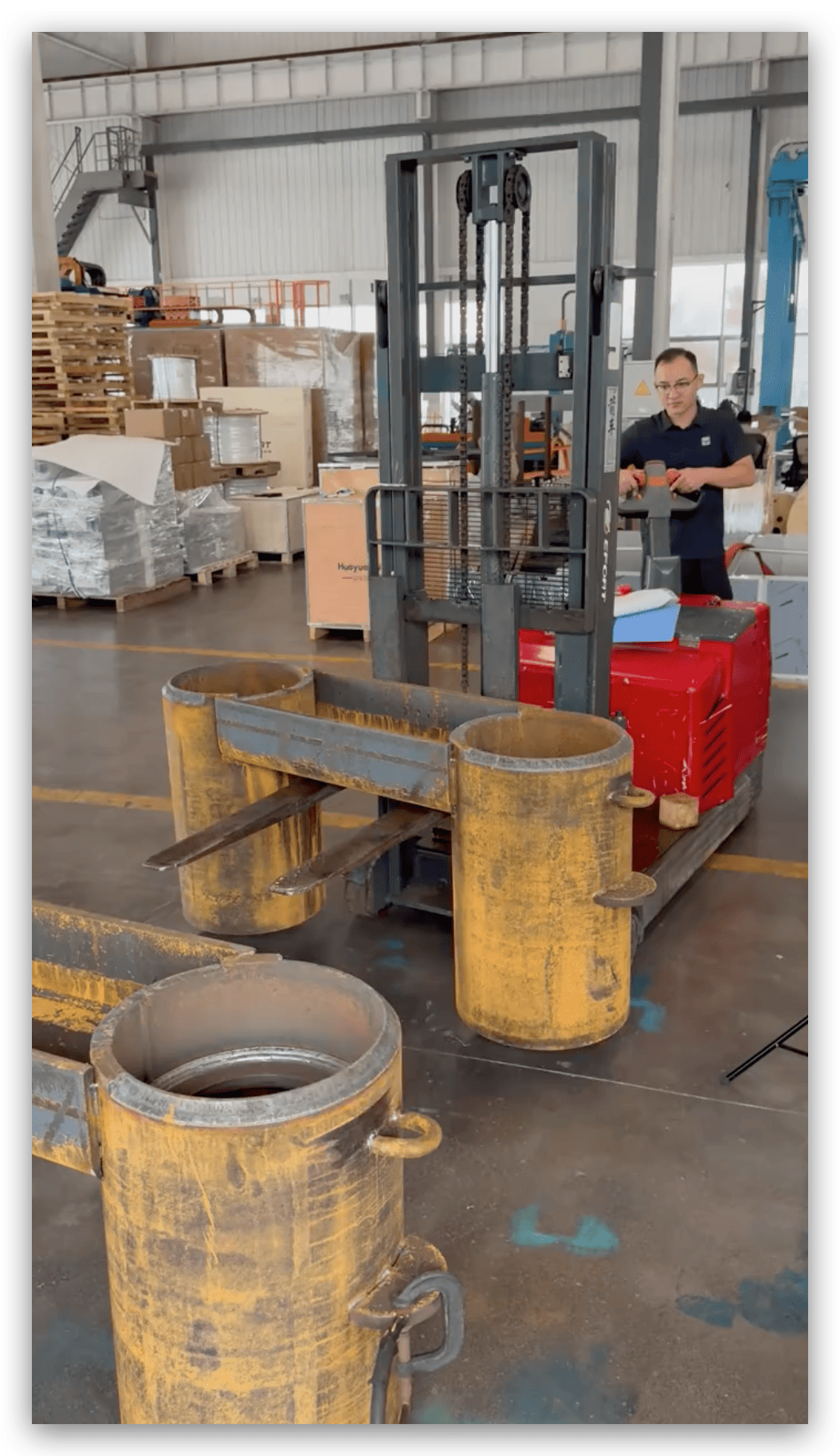
I remember the first time a client from mechanical equipment manufacturing brought their sample components to our workshop. Every single piece had processing errors. Assembly gaps varied. Nothing matched the original CAD drawings perfectly. That is when I realized why reverse modeling matters so much in this industry.
Does Reverse Modeling Really Handle Workpiece Errors Better?
In mechanical equipment manufacturing, dimensional variations are not exceptions—they are the norm. Processing tolerances stack up. Assembly introduces new gaps. By the time components reach the welding station, they rarely match theoretical dimensions.
Traditional model-based welding imports a perfect CAD file and expects reality to match it. When the actual workpiece deviates even slightly, the welding robot for sale systems follow the programmed path anyway—creating weld seam offsets, incomplete fusion, or missed joints entirely.
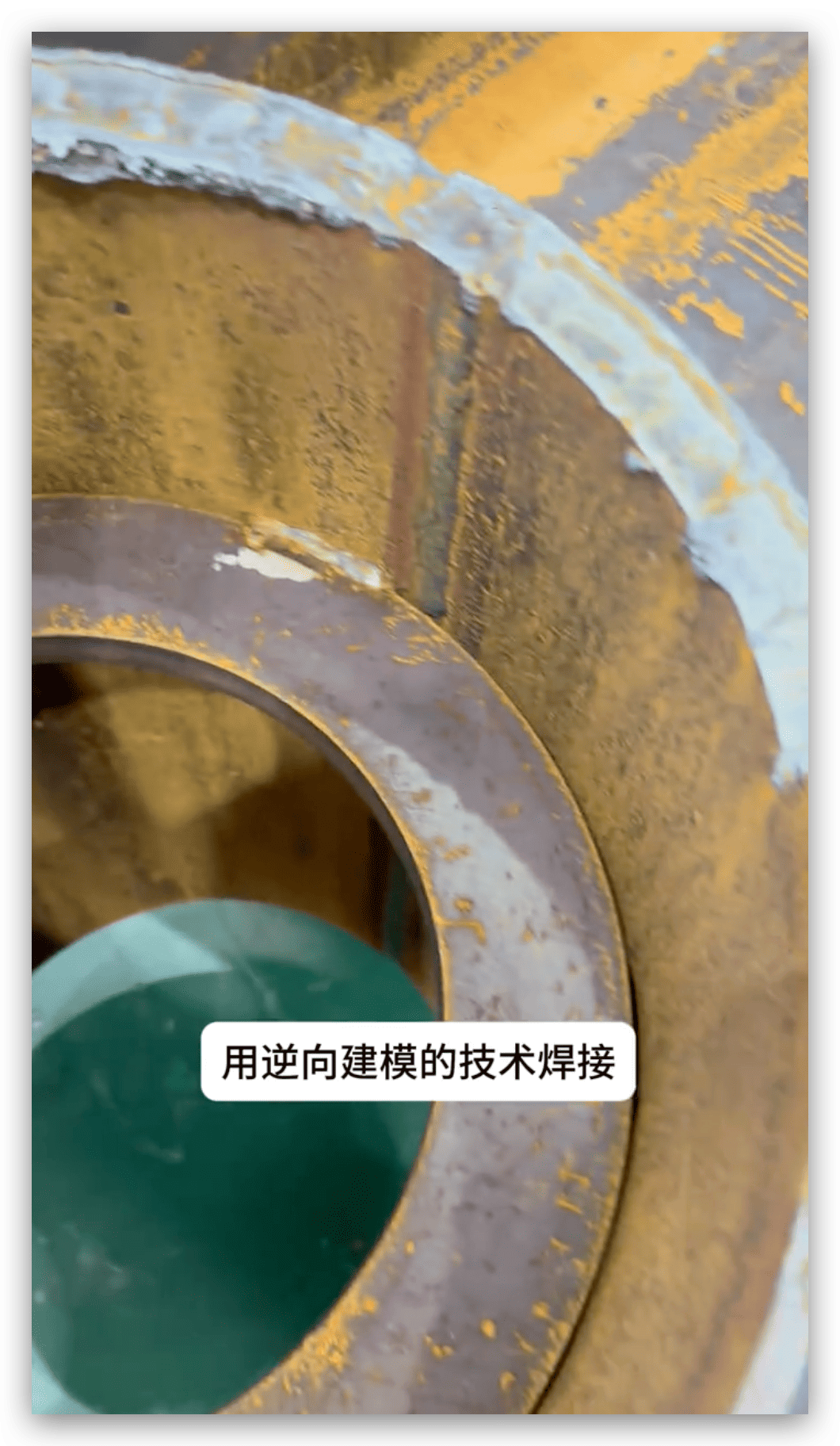
I have seen this problem firsthand. A manufacturer switched from manual TIG welding to a robotic welding machine. They invested in a good system—not quite a fanuc welding robot price level, but close. Everything looked great during the demonstration. But once production started, weld quality became inconsistent. Why?
Their components had minor variations. A bracket might be 2mm wider on one batch. A mounting plate might have a slightly different hole pattern. The imported CAD model could not account for these real-world deviations. Every time the robot welder for sale unit followed the programmed path, it missed the actual seam location by millimeters.
How Reverse Modeling Solves Dimensional Variations
Reverse modeling works differently. Instead of forcing reality to match a theoretical model, it adapts to reality. Here is how it works in practice:
| Step | Traditional Model Import | Reverse Modeling |
|---|---|---|
| Workpiece placement | Must be precisely positioned | Can be placed randomly |
| Path generation | Pre-programmed from CAD | Generated from actual scan |
| Error handling | Manual correction needed | Automatically adapts |
| Programming time | Hours per new product | Minutes per scan |
| Operator skill required | High-level programming knowledge | Basic operation training |
When I explain this to workshop operators, I use a simple analogy. Traditional welding is like following GPS directions when the road has changed. The GPS tells you to turn left, but there is a barrier now. You crash. Reverse modeling is like having a co-driver who sees the actual road and tells you where to go based on what is really there.
The robotic arm cost for reverse modeling systems might be slightly higher upfront compared to basic welding robot for sale options. But the time saved on programming makes up for it quickly. One of our clients calculated they saved approximately 4 hours of programming time per product variation. With 20 different products cycling through their workshop monthly, that is 80 hours saved—almost two full work weeks.
Can You Really Weld Without Pre-Programming?
The biggest mindset shift for operators is accepting that the robotic welding machine programming step can be eliminated. Most people assume robots need detailed instructions. They expect to spend hours coding paths, setting parameters, adjusting offsets.
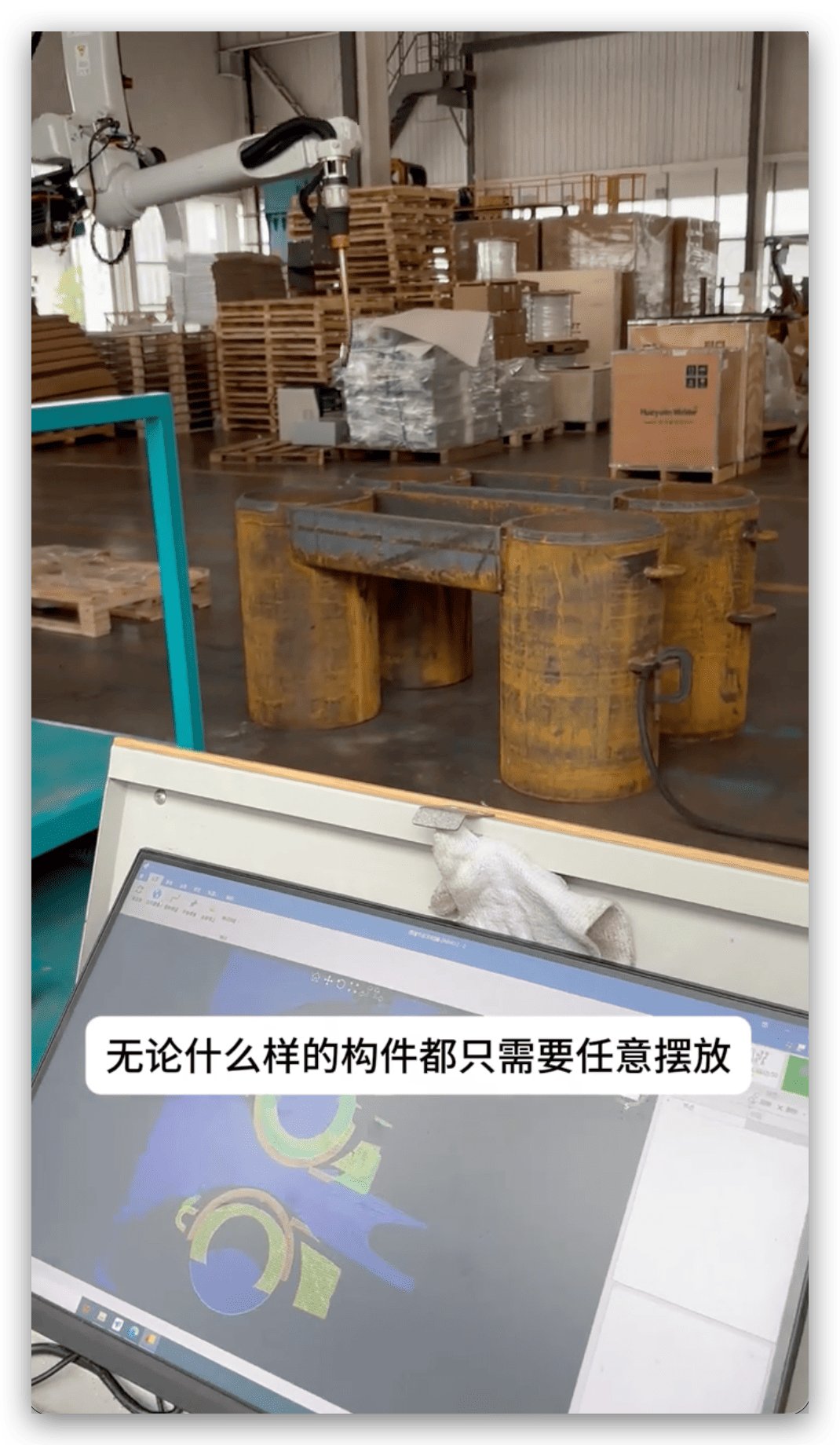
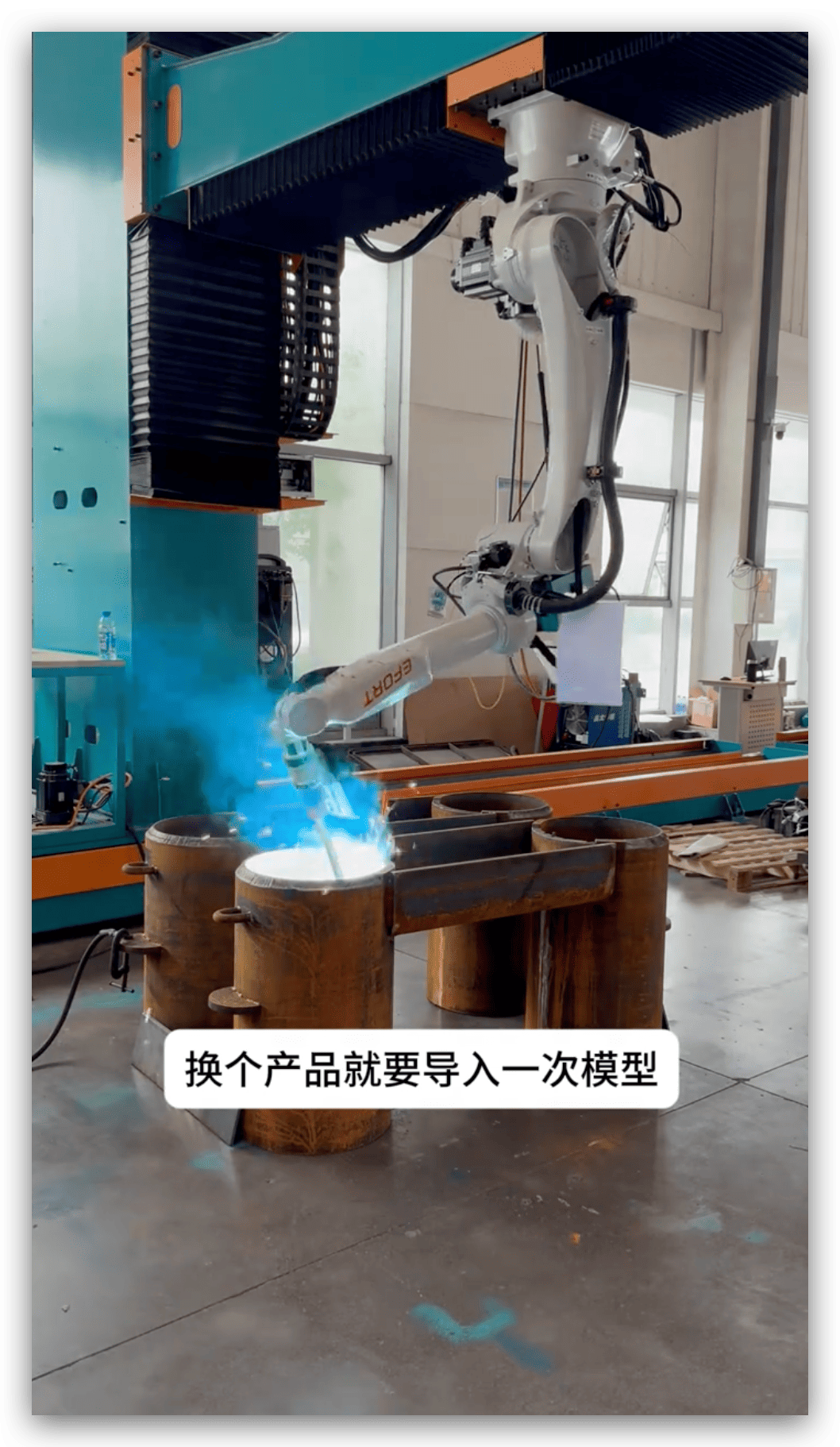
With reverse modeling, you place the workpiece, press scan, and the system generates the complete welding program automatically. What you photograph is what gets welded—no manual path teaching, no complex coordinate systems, no programming expertise required.
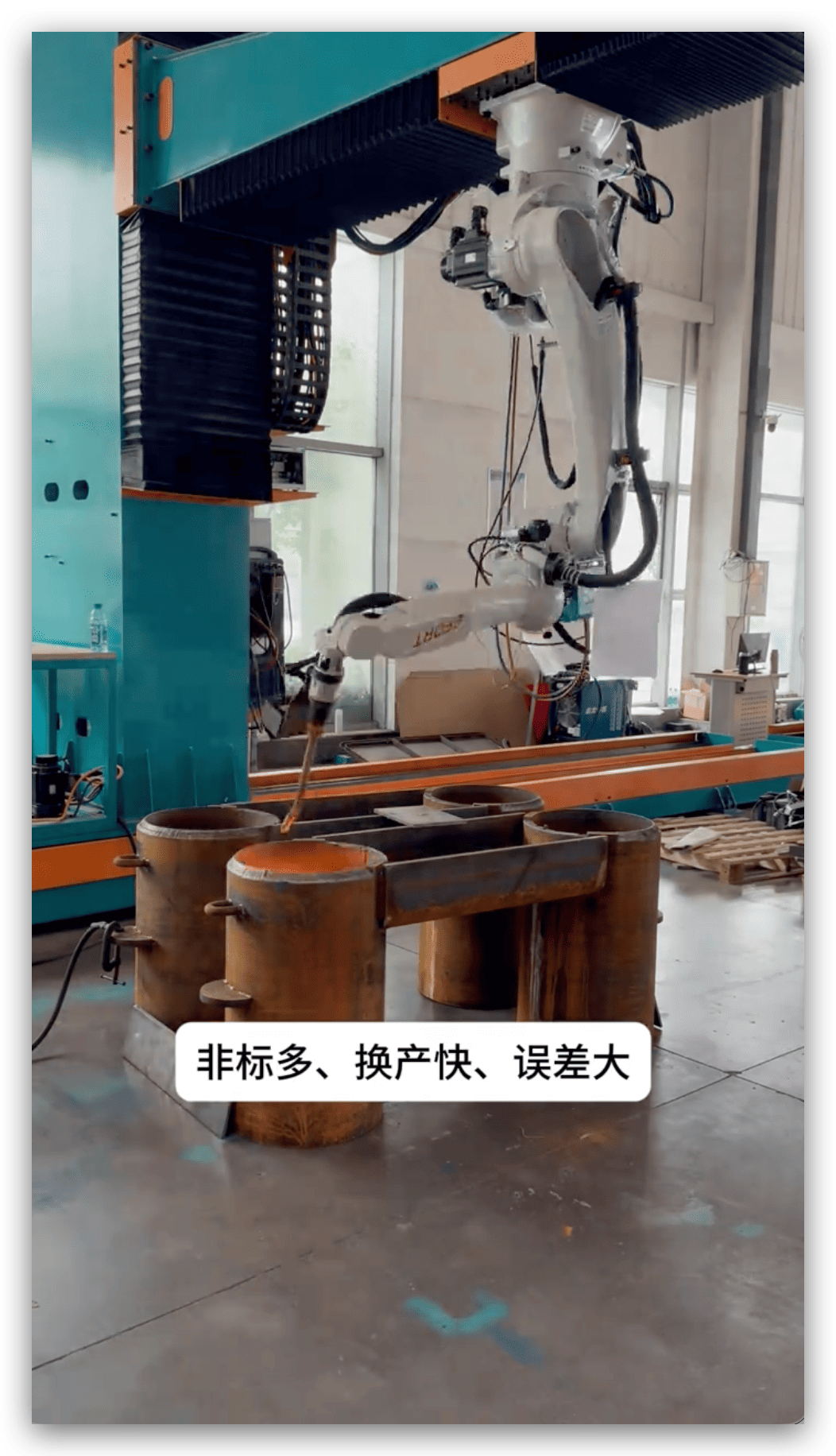
I trained a workshop operator last month. He had twenty years of manual MIG welding experience but zero robot experience. He was nervous about operating a robotic mig welding machine. I told him to forget everything he assumed about robots being complicated.
First, I showed him the traditional method. Import a 3D model. Define coordinate systems. Teach each welding point. Adjust approach angles. Set welding parameters for each segment. It took three hours just to program a simple bracket.
Then I showed him reverse modeling. Place bracket on table. Press scan button. System takes photographs from multiple angles. Wait thirty seconds. Welding path appears on screen. Adjust welding speed if needed. Press start. The bracket gets welded perfectly.
His reaction? "That is it? That is all I have to do?" Yes. That is it.
Breaking Down the No-Programming Workflow
Traditional robot welding requires you to think like a programmer. You define points in 3D space using X-Y-Z coordinates. You specify approach vectors, welding angles, travel speeds for each segment. Even experienced operators need hours to program complex parts.
Reverse modeling requires you to think like a welder. Look at the seam. Is it accessible? Does it need a specific angle? Those are welding questions, not programming questions. The system handles the robotic part automatically.
Here is what actually happens during a reverse modeling scan:
The system uses cameras (sometimes combined with laser sensors) to capture the workpiece geometry from multiple angles. Advanced image processing identifies edges, seams, and welding locations. The software generates a 3D point cloud representing the actual part—not a theoretical CAD model, but the real physical object sitting on your welding table.
Then the path planning algorithm takes over. It determines the optimal welding sequence, approach angles, and robot movements needed to reach each seam. This happens in seconds, not hours. The generated path accounts for robot reach limitations, collision avoidance, and welding accessibility automatically.
For operators, this means you focus on welding quality decisions rather than programming mechanics. Should this seam get two passes or one? Does this corner need slower travel speed? Those are questions a good welder knows how to answer. You do not need to know how to program a robotic welding machine in india or anywhere else—you need to know how to weld.
The best robotic welding machine in this context is not necessarily the most expensive one. A yaskawa welding robot price might be lower than some competitors, but if it lacks reverse modeling capability, you still face significant programming overhead. Meanwhile, a well-designed system with reverse modeling delivers value through reduced setup time and operator accessibility.
Why Do Multi-Variety, Small-Batch, Fast-Changeover Operations Need Reverse Modeling?
Traditional model-based welding makes sense for high-volume, standardized production. When you manufacture 10,000 identical parts, spending hours on initial programming pays off. The program runs thousands of times without changes.
But mechanical equipment manufacturing rarely works that way. Products vary. Customer specifications change. Batch sizes stay small. Changeovers happen constantly. In this environment, reverse modeling welding eliminates the programming bottleneck that kills productivity.
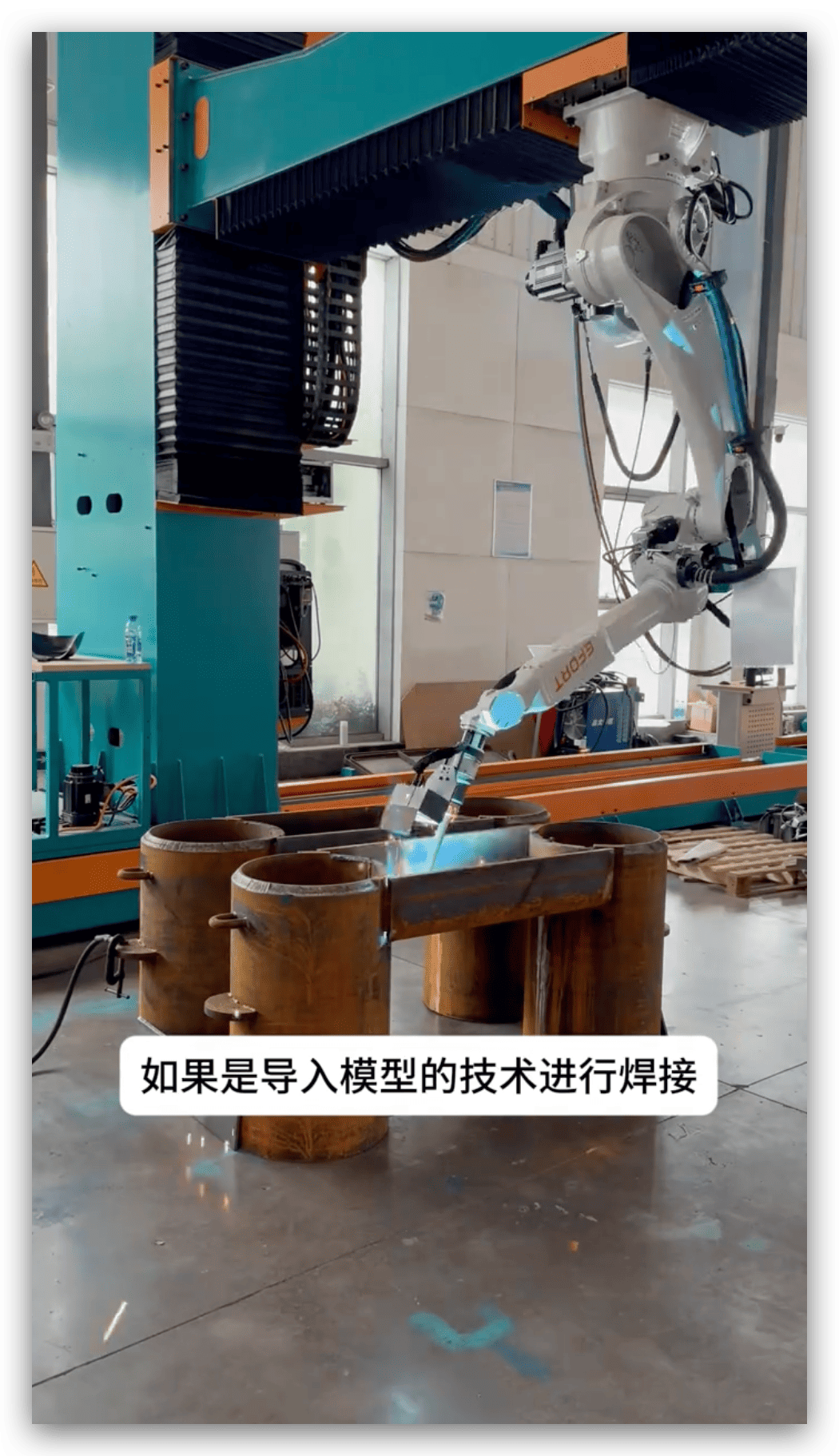
I worked with a client who manufactures custom lifting equipment. Every order is different. Frame dimensions change based on load capacity. Bracket positions vary depending on customer mounting requirements. They produce 50-100 units per design, then move to the next variation.
Before reverse modeling, they used manual welding exclusively. They looked at robotic welding machine price in india and other markets, but the numbers did not make sense. Why? Programming time.
Calculate this out: If each product variation requires 4 hours of programming, and they handle 15 variations per month, that is 60 hours of pure programming work—before producing a single weld. They would need a dedicated programmer just to keep the robot busy. The robotic welding arm price becomes just the first cost in a long chain of expenses.
With reverse modeling, the math changes completely. Same 15 variations per month. Each one takes 10 minutes to scan and generate a path. That is 2.5 hours total. Suddenly, automation makes sense even for low-volume custom work.
When Volume Does Not Justify Traditional Automation
Most discussions about robotic welder for sale options assume you are running high-volume production. The typical calculation goes: robot costs X, programming costs Y, but you will produce Z thousand parts, so the per-unit cost works out.
That calculation breaks down when Z is small and changes frequently. Let me show you real numbers from another client:
| Production Scenario | Traditional Model Import | Reverse Modeling |
|---|---|---|
| Products per year | 45 different designs | 45 different designs |
| Average batch size | 80 units per design | 80 units per design |
| Programming time per design | 6 hours | 15 minutes |
| Total annual programming | 270 hours | 11.25 hours |
| Programmer hourly rate | $45 USD | $45 USD |
| Annual programming cost | $12,150 USD | $506 USD |
That $11,644 annual savings pays for the incremental robotic welding machine cost difference between basic and reverse-modeling-enabled systems in less than three years. And this calculation only covers programming labor—it does not include reduced lead times, faster changeovers, or improved production scheduling flexibility.
For used welding robots for sale in india or other markets, reverse modeling capability often distinguishes genuinely valuable equipment from systems that will sit idle because programming overhead makes them impractical.
The Hidden Cost of Product Changeovers
Programming time is just one cost. Changeover complexity matters too. With traditional model-based welding, every product switch requires:
- Loading the new CAD model
- Verifying coordinate system alignment
- Adjusting robot offsets if fixturing changed
- Running test welds to confirm path accuracy
- Making manual corrections if reality does not match the model
- Re-running tests until quality is acceptable
This process can take 2-4 hours even when the programming itself is already done. If you change products twice per shift, you spend half your available production time just switching setups.
Reverse modeling reduces changeover to: place new workpiece, scan, start welding. Ten minutes maximum. Suddenly, producing small batches becomes economically viable. You can respond to customer orders faster. You can handle custom modifications without disrupting your production schedule.
I have talked to operators who joke that their robotic welder for sale system spends more time sitting idle during changeovers than actually welding. That is not a robot problem—that is a workflow problem. Reverse modeling fixes the workflow.
How Much Does Reverse Modeling Really Cost?
The obvious question: if reverse modeling solves so many problems, why does not everyone use it? Cost concerns. Complexity assumptions. Fear of new technology.
Reverse modeling welding systems cost more than basic abb robot welding machine price entry-level options—typically 20-30% premium for the vision and software capability. But for multi-variety production, total cost of ownership is actually lower when you account for programming labor, changeover time, and production flexibility.
When clients ask about cost, I start by understanding their production environment. If you manufacture one standardized product in quantities of 50,000 units annually, reverse modeling adds cost without delivering proportional value. Traditional automation works fine when variability is low.
But most mechanical equipment manufacturers do not fit that profile. They handle multiple products. Batch sizes vary from 10 to 500 units. Customer specifications introduce variations. Processing tolerances create dimensional inconsistencies. In this environment, the how much does a robot cost to build calculation needs to include flexibility value, not just hardware price.
Breaking Down the Investment
A complete robotic welding system includes several components. The robot arm itself is just one piece. You also need:
- Welding power source (MIG, TIG, or other process)
- Robot controller and teach pendant
- Safety enclosure or light curtains
- Fixturing and workpiece positioning
- Software and programming interface
- Vision system (for reverse modeling)
- Integration and commissioning
For a basic welding robot for sale australia, europe, or north american markets, you might spend $80,000-$120,000 USD for a complete turnkey cell. This includes the robot, welding equipment, basic programming, and safety systems—but not reverse modeling capability.
Adding reverse modeling vision and software typically adds $25,000-$40,000 USD to the system cost. So you are looking at $105,000-$160,000 USD total investment.
That sounds expensive. But consider the alternative cost: hiring a programmer at $50,000 annual salary (modest estimate), plus the productivity loss from changeover downtime, plus the opportunity cost of orders you decline because programming time makes small batches uneconomical.
For a used robotic welding machine for sale, reverse modeling capability significantly affects value. A five-year-old system with reverse modeling often commands prices close to new basic systems without it, because the flexibility it provides remains valuable regardless of robot age.
Regional Price Variations and Value Considerations
Robot pricing varies significantly by region due to import duties, local market competition, and service availability. A welding robot for sale australia market might carry different pricing than the same model in China or Europe, even from the same manufacturer.
Some buyers focus too heavily on initial purchase price. They look at robotic welding machine price in india versus US pricing and make decisions purely on hardware cost. This misses the bigger picture.
The real value driver is not the robot—it is what the robot enables your business to accomplish. Can you take on more diverse orders? Can you reduce lead times? Can you maintain consistent quality across product variations? These business outcomes matter more than whether you saved $15,000 on the initial purchase.
I tell potential buyers to calculate value based on annual programming hours saved, changeover time reduced, and order capacity increased. A system that costs $30,000 more but saves 250 programming hours annually pays for itself in 2-3 years just from labor savings—before counting any production efficiency gains.
Can Small Manufacturers Justify Robotic Welding with Reverse Modeling?
Many small manufacturers assume robotic welding only makes sense for large companies with dedicated automation teams. They see the used welding robots for sale in india or other markets and think "that is for the big guys, not us."
Reverse modeling actually makes automation more accessible for small operations precisely because it eliminates the programming expertise barrier. A small shop with 3-5 welders can implement a robotic mig welding machine without hiring a programmer or sending operators for months of training.
I worked with a fabrication shop that employed four welders. They built custom machinery guards, equipment frames, and specialized brackets for local manufacturers. Volume was moderate—maybe 200-300 welded assemblies per month across 30-40 different designs.
The owner wanted to improve consistency and reduce dependence on his most skilled welder, who was approaching retirement. But traditional robotic solutions seemed out of reach. The robotic welding machine programming expertise they would need did not exist in-house. Hiring someone with those skills would cost as much as another full welder.
We installed a reverse modeling system. Training took three days. Now, their mid-level welders operate the robot for straightforward seams while focusing manual welding effort on complex joints where human judgment adds the most value. Production capacity increased by about 35% without adding headcount.
The Operator Skill Question
Traditional robotic welding creates a skills gap problem. Your experienced welders know how to weld, but not how to program robots. Your programmers know code, but not welding. You need someone who understands both—and those people are expensive and hard to find.
Reverse modeling collapses this gap. Your welders remain welders. They make decisions about welding parameters, seam preparation, and quality standards. The robot handles the positioning and motion control. No programming expertise required.
I have trained welders in their 50s and 60s who were convinced they could never learn robotic welding. They assumed it required computer programming skills they did not have. Once they saw reverse modeling in action, they realized it was actually easier than learning a new manual welding process.
The interface uses visual feedback. You see the workpiece on screen. You see the proposed welding path. You can adjust speed, weave pattern, or approach angle using simple sliders and buttons—no code, no coordinate entry, no complex menus.
This accessibility matters for small manufacturers. You do not need to hire new people or send existing employees away for extensive training. You are not creating dependence on one specialized person who becomes a bottleneck if they leave or get sick.
The Right-Sizing Question
Small manufacturers also worry about capacity utilization. If you only produce 1,000 weldments annually, can you keep a robotic welding arm price investment busy enough to justify the cost?
With traditional automation, probably not. Programming overhead eats too much productive time. The robot sits idle during changeovers. You end up with an expensive machine that only runs 30% of available hours.
Reverse modeling changes this calculation. Quick changeovers mean you can switch between products multiple times per day without wasting hours. The robot becomes economical even with smaller production volumes because you can keep it running a much higher percentage of the time.
One client runs their reverse modeling system 6.5 hours per 8-hour shift now