
Struggling with tedious manual robot programming? This process bottlenecks your production and ties up your most skilled welders. AI welding robots promise a solution, but how effective are they really?
AI welding robots use advanced vision systems and intelligent algorithms to automatically generate welding paths without manual teaching. By scanning the workpiece, the robot identifies the weld seam, plans the trajectory, and adjusts parameters in real-time. This significantly reduces setup time and reliance on expert programmers.
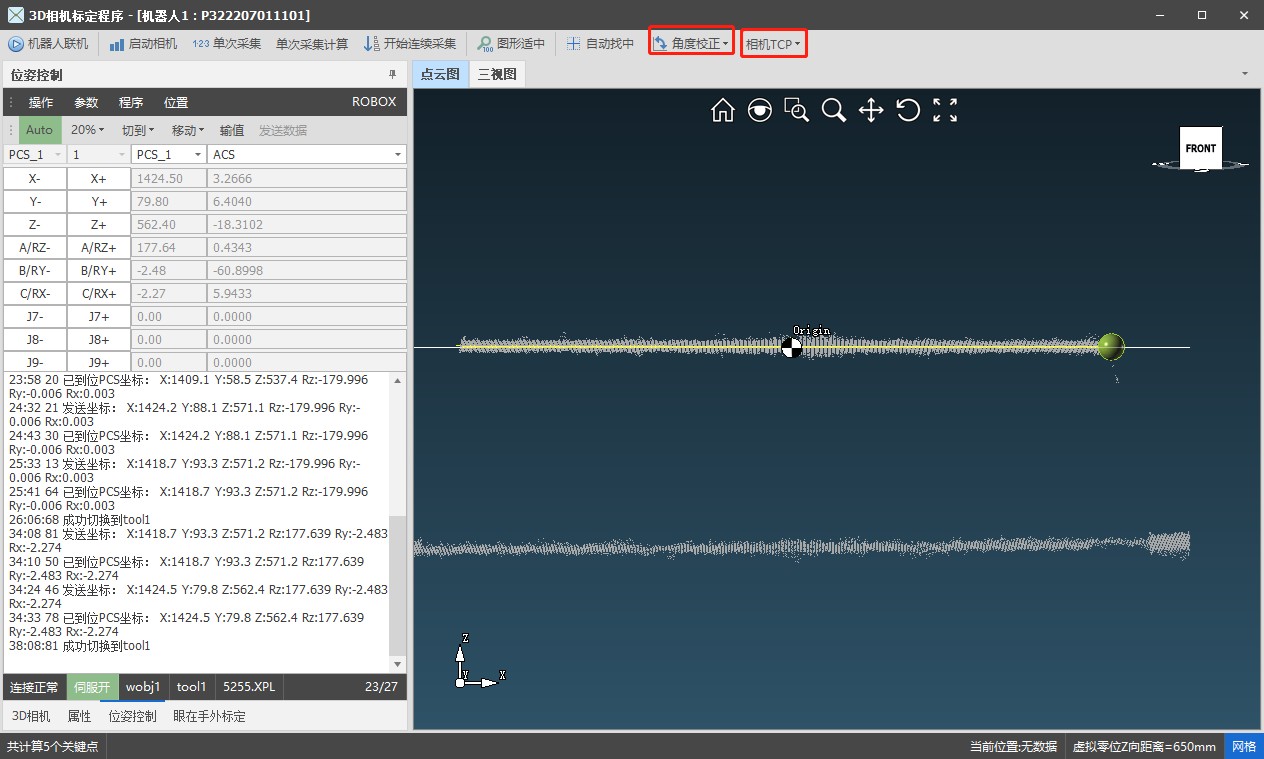
This sounds revolutionary, and in many ways, it is. But as someone who's implemented these systems from scratch in heavy equipment factories, I've learned it's not a magic bullet. The real value comes from understanding exactly where this technology shines and where it falls short.
Where Does Intelligent Welding Actually Reduce Labor—and Where Does It Not?
Thinking AI welding will cut all your labor costs? The reality is more nuanced.
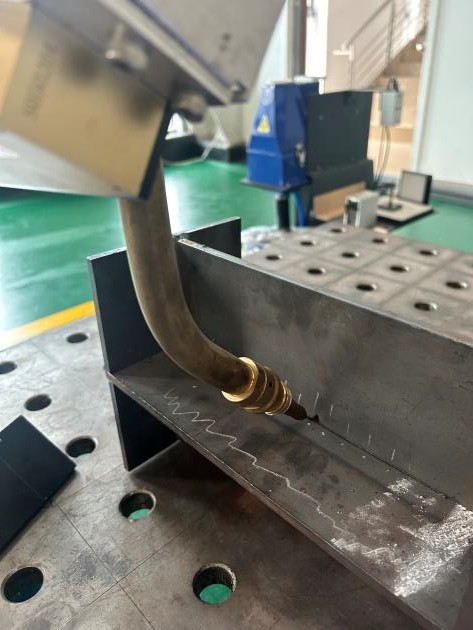
Intelligent welding drastically reduces labor for repetitive, high-volume tasks with standardized joints.
From Welders to Engineers: How Does Automation Change Factory Roles?
Automation doesn't just replace workers—it upgrades them.
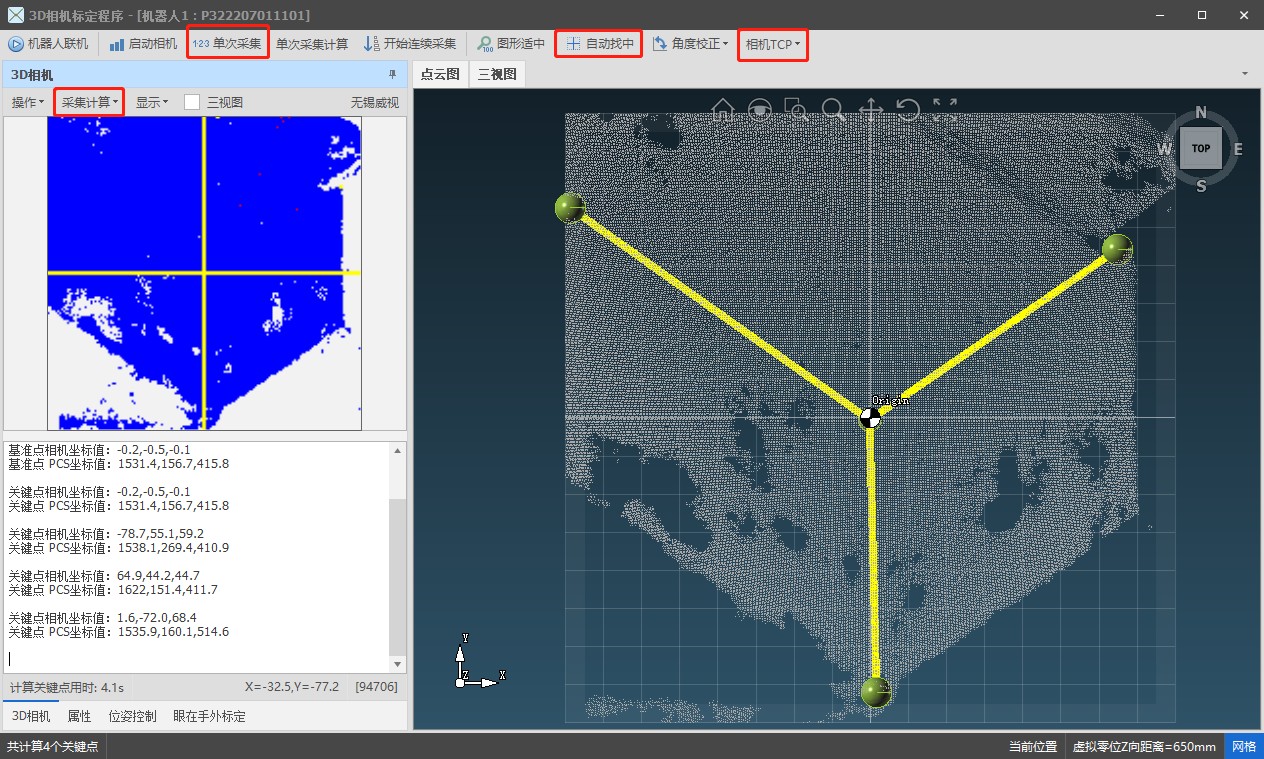
Adoption Checklist: How Do You Know If Intelligent Welding Is Worth the Investment?
Considering an AI welding robot? You need to be certain it will pay off.
Conclusion
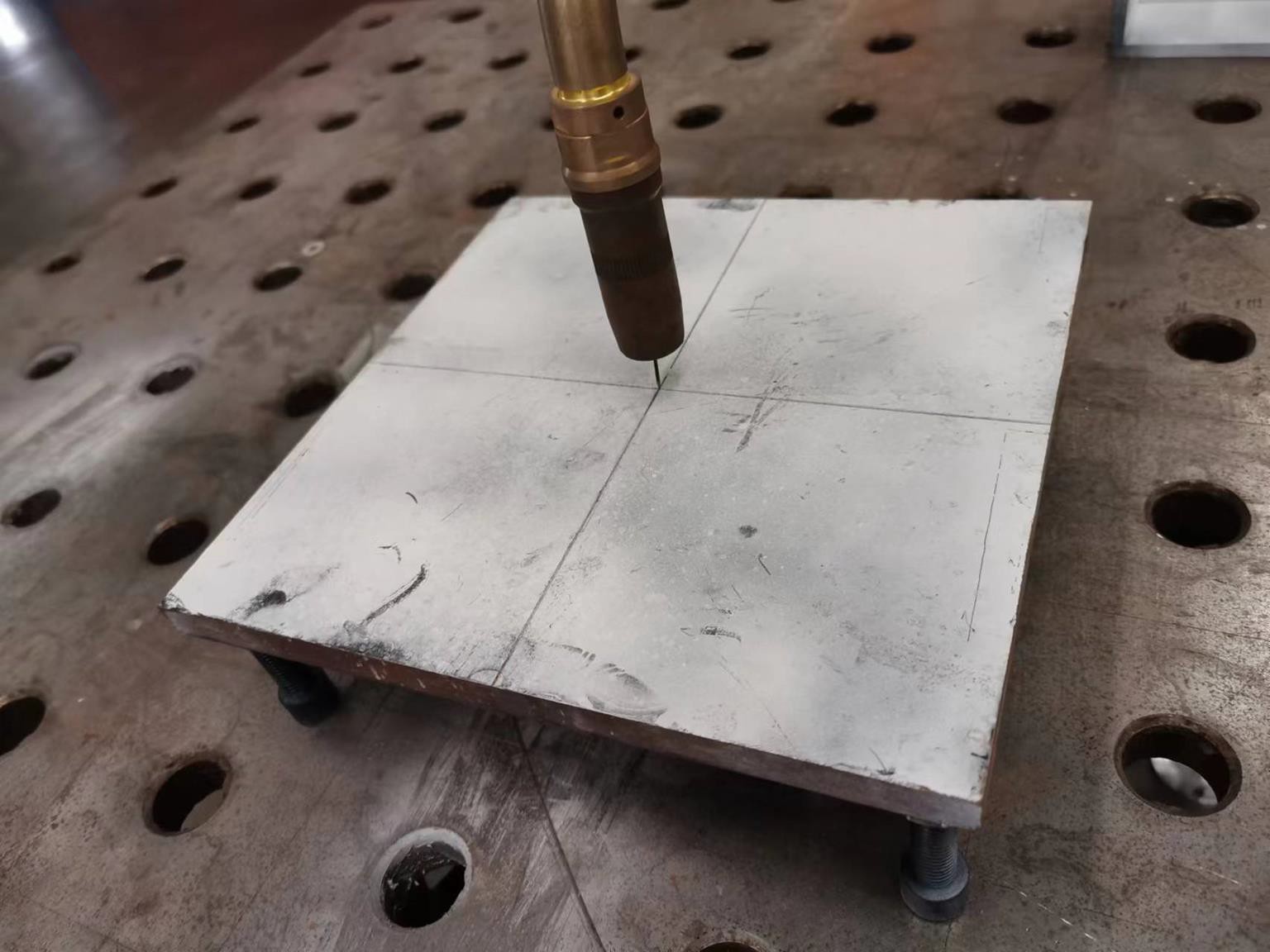
AI welding robots don't just replace manual teaching; they redefine factory roles.


