
A welding veteran with 11 years of field experience recently asked me three challenging questions. Out of respect for his expertise and genuine curiosity, I want to address these questions openly. These aren't just technical debates—they touch on the fundamental forces shaping our industry's future.
Smart welding isn't just about replacing workers with machines. It's about combining decades of human expertise with advanced automation to solve real production challenges. The question isn't whether technology or money drives progress, but how we balance innovation costs with practical benefits for manufacturers who need reliable solutions today.
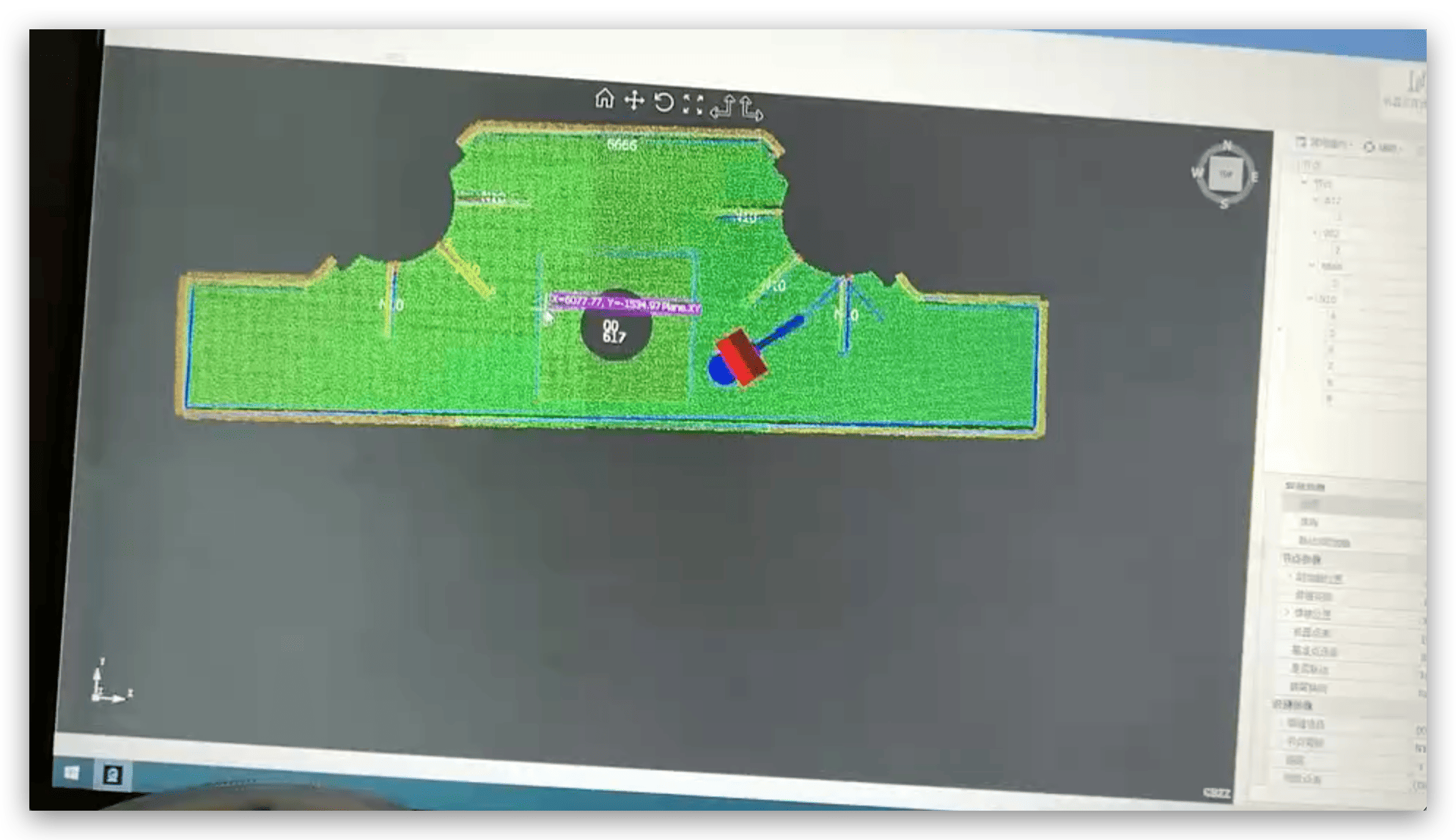
Before diving into each question, I want to establish something important. These discussions matter because they affect how you evaluate welding robot price considerations, understand industrial welding robot for sale offerings, and ultimately decide whether smart welding fits your operation. Let's explore these three interconnected questions that define where our industry is heading.
Is Technology Leading, or Is Capital Leading Industry Development?
Many people ask whether breakthrough innovations come from brilliant engineers or deep-pocketed investors. This seems like a straightforward question, but the real answer requires understanding what our industry actually lacks.
To determine whether technology or capital leads an industry, ask two questions first: Does this sector genuinely lack technical capability, or does it lack funding? If a technology offers real competitive advantage and commercial value, it typically attracts investment without difficulty. However, having abundant capital doesn't automatically generate genuine core technology.
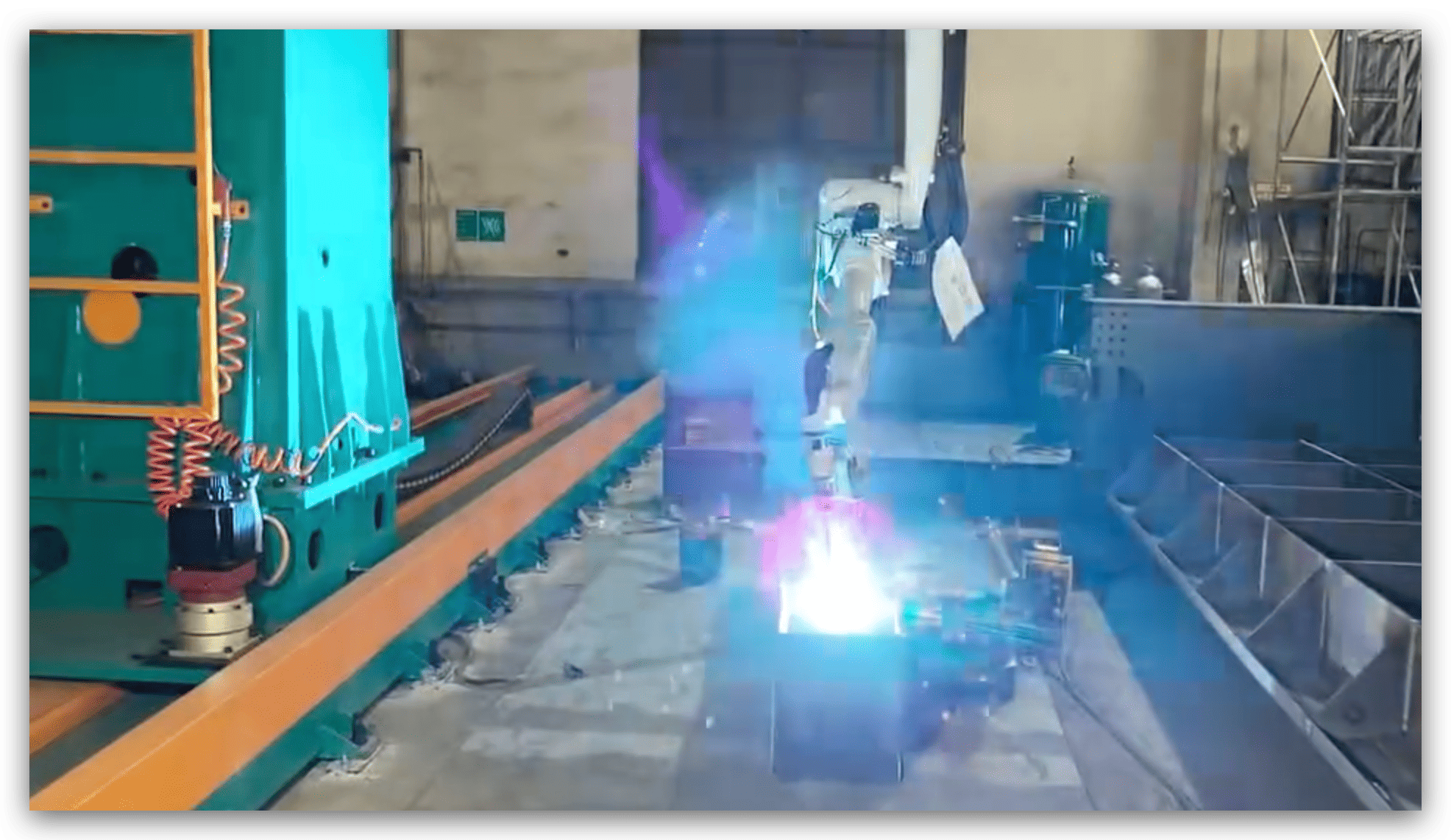
I've watched this pattern repeat across different manufacturing sectors over nearly two decades. Capital serves a specific purpose—it accelerates how quickly technology reaches production scale and spreads across the market. When we develop a new welding solution at JTC LASER, funding helps us build prototypes faster, test more configurations, and bring products to customers sooner. But money alone never created a technical breakthrough.
Consider what happens when companies prioritize capital over capability. Some manufacturers raise substantial funds, purchase expensive equipment, and hire large teams. Yet without fundamental technical understanding, they struggle to create products that truly solve customer problems. I've seen operations with impressive facilities produce robotic welder for sale units that customers return within months because the technology wasn't actually ready.
The relationship works differently when technology comes first. Our team spent seven to eight years developing "one-shot welding" capabilities before we seriously discussed scaling production. During those years, we weren't waiting for investment—we were solving core technical challenges that money couldn't simply purchase. We needed to understand how machine vision could replicate what experienced welders see, how algorithms could capture decades of welding knowledge, and how robotic systems could adapt to real production environments.
Capital becomes powerful when it amplifies proven technology. Once we validated our approach through rigorous testing with actual customers, investment helped us expand manufacturing capacity, improve component quality, and reduce the welding robot price point through economies of scale. The funding didn't create our competitive advantage—it helped more manufacturers access technology we'd already developed.
This distinction matters when you evaluate different welding robot for sale options in the market. Some suppliers emphasize their funding rounds and investor backing. Others focus on technical specifications and real-world application results. The companies with genuine technical foundations tend to demonstrate specific capabilities—precise weld quality under varying conditions, consistent performance across different materials, or intelligent adaptation to production variables.
I respect capital's role in industry development. Investment enables faster growth, wider distribution, and accelerated market education. But underlying everything must be technology that actually works. When you're comparing industrial welding robot for sale offerings, look beyond marketing claims about investment backing. Ask about the technical team's experience, examine actual customer installations, and understand what specific problems the technology solves better than alternatives.
The appearance of capital-led development often masks technology-led reality. Media coverage naturally highlights funding announcements and expansion plans. These stories are more dramatic than technical papers about incremental improvements in weld seam tracking algorithms. Yet those unglamorous technical advances create lasting competitive advantages that capital can't easily replicate.
Think about it from a practical standpoint. If you're managing a fabrication shop considering automation, would you rather buy equipment from a well-funded startup with limited field testing, or from a company with proven technology and growing capital resources? The answer reveals what truly drives sustainable industry progress—technical capability that delivers reliable results, supported by sufficient capital to serve customers effectively.
What Does "Programming-Free Welding" Really Mean in Technical Terms?
The phrase "programming-free welding" has become common in automation marketing, but many people misunderstand what this capability actually represents. Let me explain the two distinct technical pathways that this term encompasses.
Programming-free welding represents dual upgrades—one path enhances traditional automation by incorporating 3D modeling and intelligent vision systems, while the other path digitizes expert welder knowledge into adaptive algorithms. Both approaches eliminate manual programming, but they achieve this goal through fundamentally different technical architectures that suit different production scenarios.
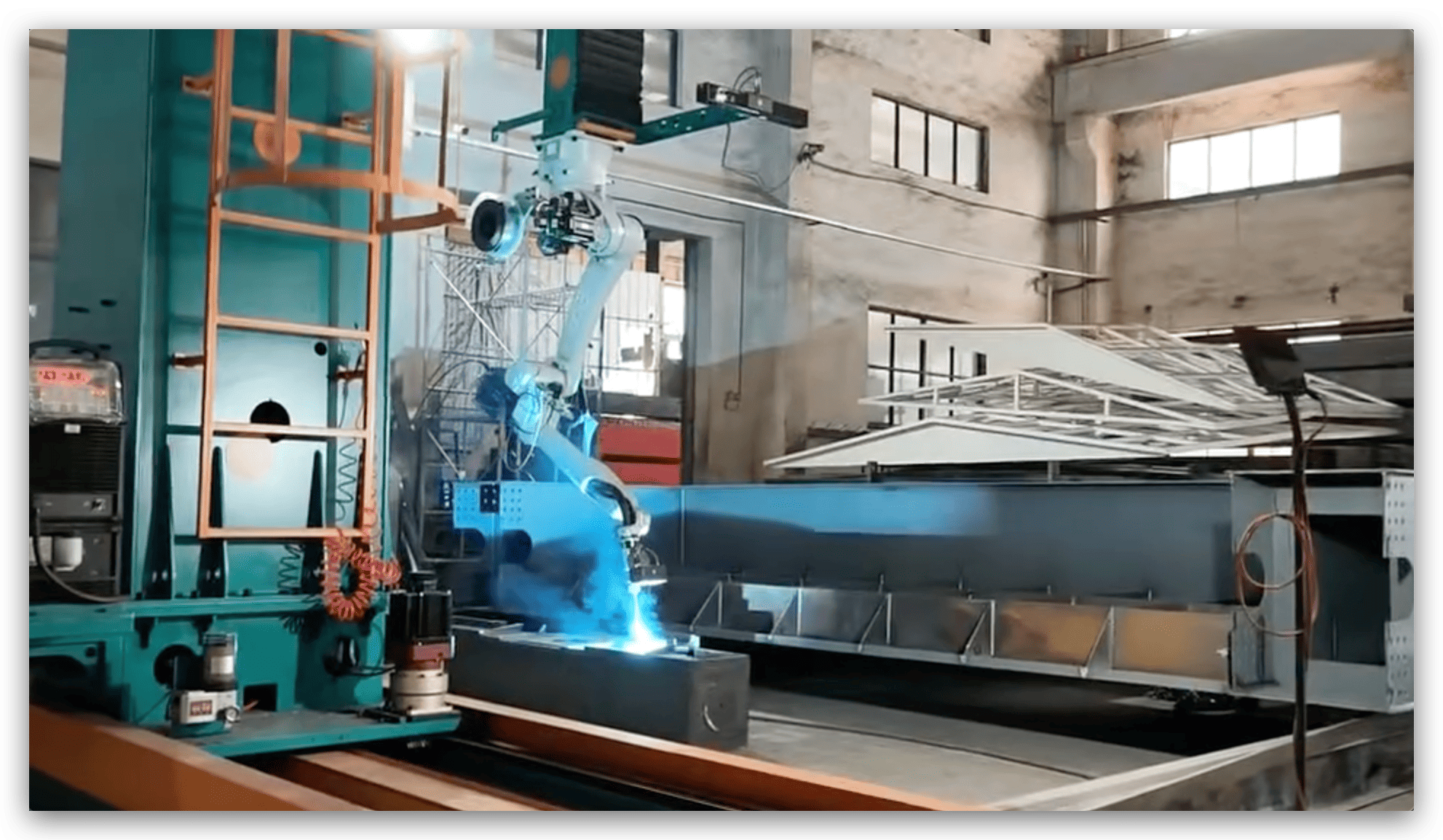
Some companies in the robotics automation field have operated for ten, fifteen, or even twenty years using essentially the same technical framework. This isn't necessarily because they lack capability—often it reflects how deeply experience can shape perception. When you've successfully implemented a particular approach for years, questioning that foundation feels risky. I understand this instinct. We all tend to refine what we know rather than explore radically different directions.
However, this experience-based conservatism can create blind spots. If your fundamental understanding of automation doesn't evolve, you might spend two decades perfecting yesterday's solutions while missing today's opportunities. The companies offering traditional robotic welding machines aren't wrong—they're serving real needs with proven methods. But they're solving a different problem than what we're addressing with truly intelligent systems.
Let me describe the first technical pathway—enhanced traditional automation.
This approach starts with importing three-dimensional CAD models of the parts you're welding. Engineers then write programs defining the robot's path, including specific coordinates for every movement. Modern systems integrate vision capabilities that help locate workpieces, find weld seams, and correct for positioning errors. The robot still follows predetermined paths, but vision systems make those paths more flexible and accurate.
This pathway works well for high-volume production where you're welding identical parts repeatedly. Once you've invested time in programming and optimization, the system can run efficiently for thousands of cycles. Many manufacturers offering industrial welding robot for sale units follow this model. The technology is mature, proven, and supported by decades of industrial application.
The second pathway takes a completely different approach—digitizing welder expertise.
Think about how experienced welders work. They receive a drawing, examine the actual workpiece, and quickly determine where welds should go, what sequence makes sense, and how to position the torch for optimal results. They're not following a programmed path—they're applying accumulated knowledge to make real-time decisions. A skilled welder essentially "sees and welds" based on understanding rather than instruction.
Our "one-shot welding" approach attempts to replicate this human capability in machine form. We replace the welder's eyes with machine vision systems that can recognize workpiece geometry, identify features, and understand spatial relationships. We transform the welder's experience into comprehensive databases of welding parameters, decision algorithms, and adaptive control systems. When the robot captures images and analyzes the workpiece, it generates welding tasks automatically based on what it "understands" about the job.
This isn't simply adding cameras to a robot. We're building systems that attempt to match the recognition, judgment, and execution capabilities of experienced welders. The robot needs to understand what it's seeing, determine appropriate welding strategies, and adapt parameters based on specific conditions—all without human intervention beyond initial setup.
| Traditional Automation Path | Digitized Expertise Path |
|---|---|
| Requires 3D CAD models | Works from visual recognition |
| Pre-programmed trajectories | Generates paths automatically |
| Best for identical parts | Handles variation naturally |
| High setup time per part | Minimal setup requirements |
| Vision aids predetermined paths | Vision drives decision-making |
| Welds what you program | Welds what it recognizes |
The practical implications affect robotic welder for sale decisions significantly. If you produce large volumes of similar parts and have engineering resources for programming, enhanced traditional automation might serve you well. If you handle smaller batches with more variety, or if you lack programming expertise in-house, the digitized expertise approach offers different advantages.
I won't claim our approach suits every situation. Traditional automation excels in specific contexts, especially high-volume automotive production or large structural fabrication where parts remain consistent. But for job shops, custom fabricators, and manufacturers dealing with design variations, the ability to automate without extensive programming changes the economic equation dramatically.
We've invested seven to eight years developing this capability at JTC LASER. Other companies are now entering this space as well, which validates the potential we recognized early. The market is beginning to differentiate between "automated welding" and "intelligent welding"—between systems that follow instructions precisely and systems that can figure out what needs doing.
When you encounter different welding robot price points in the market, often the difference reflects which technical pathway the manufacturer has chosen. Traditional systems might appear less expensive initially, but consider total cost including programming time, setup requirements, and flexibility limitations. Intelligent systems often carry higher upfront costs but reduce ongoing operational complexity significantly.
The deeper technical principles behind vision-based intelligence get quite complex. I won't elaborate extensively here because the technology continues evolving rapidly. What matters most is that you understand the fundamental difference—some systems automate the welder's actions, while others attempt to automate the welder's thinking. Both approaches have legitimate roles in modern manufacturing.
As this technology matures and more manufacturers adopt these systems, market feedback will increasingly demonstrate which approaches deliver the most value in different applications. We're still in relatively early stages of truly intelligent welding automation. The next five years will reveal much more about how these competing visions of programming-free welding perform in diverse industrial contexts.
Why Do Smart Manufacturing Systems Currently Cost More Than Traditional Equipment?
When customers first encounter our intelligent welding systems, price often becomes an immediate concern. I understand this reaction completely. The welding robot price for advanced systems can seem significantly higher than conventional alternatives. Let me explain what drives these costs and why they make sense from an industry development perspective.
Current smart manufacturing equipment pricing reflects substantial research investment, ongoing development costs, qualified talent requirements, and market education expenses that industry pioneers must absorb. Original innovators bear upfront technical risks while later entrants face different challenges from intensifying price competition as technologies mature and markets expand.
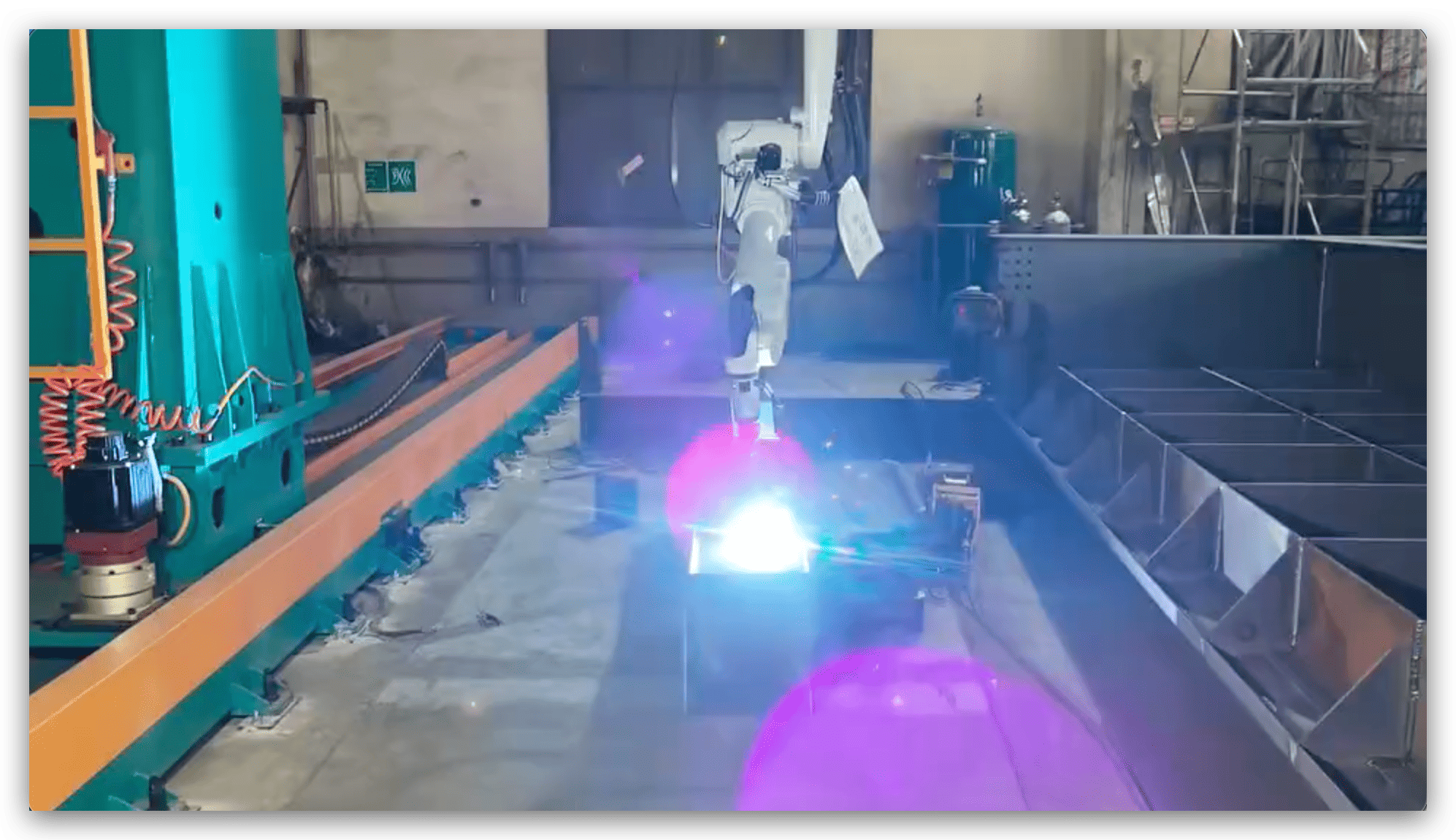
Smart manufacturing remains in active development and market validation stages. We're not selling mature commodity products with decades of standardization and cost optimization. We're commercializing technologies that required years of fundamental research before becoming commercially viable.
At JTC LASER, our intelligent welding research began seven or eight years ago. During the initial years, we weren't generating revenue from this technology—we were spending substantial resources understanding how to make it work reliably. This pattern is typical for companies developing genuinely new capabilities rather than incrementally improving existing products.
Consider what research and development actually entails in this context. We needed to build teams combining expertise in robotics, machine vision, welding metallurgy, control systems, and software engineering. Finding people who understand both advanced manufacturing and artificial intelligence isn't simple. Competitive salaries for these specialists represent significant ongoing costs that must eventually be recovered through product sales.
Beyond personnel, we invested heavily in testing facilities and experimental equipment. Developing vision systems that reliably recognize different weld joint configurations required photographing thousands of workpieces under varying lighting conditions. Teaching algorithms to distinguish between acceptable and problematic weld preparations meant analyzing countless examples. Building comprehensive parameter databases meant extensive physical welding trials across different materials, thicknesses, and joint types.
Each experimental iteration has costs. Materials get consumed. Test fixtures wear out. Failed approaches require starting over. This is normal for advanced development, but these expenses accumulate into substantial sums that traditional equipment manufacturers—who largely use proven designs—don't face to the same degree.
Then comes the challenge of market education. When you introduce a fundamentally different approach, potential customers need help understanding what it offers and how it differs from existing solutions. Sales cycles extend because decision-makers reasonably want proof that new technology works before committing capital. Demonstration equipment must be transported to customer sites. Engineering support during evaluation periods represents additional labor investment. All this occurs before any revenue is generated.
Early customers also require more support than later adopters. The first companies implementing intelligent welding systems are essentially participating in extended validation. They discover edge cases our testing didn't reveal. They identify user interface improvements that make operation more intuitive. They provide feedback that drives software updates and feature enhancements. Supporting these pioneering customers intensively is absolutely necessary for technology refinement, but it requires engineering resources that increase our cost structure.
Compare this situation with manufacturers offering mature robotic welding machine configurations. They're selling designs refined over many years with well-established supply chains, standardized components, and streamlined production processes. Their technical investment occurred decades ago and has been amortized across thousands of units. Their market education challenge is minimal because industrial buyers already understand how traditional robotic welding works.
This doesn't make conventional equipment better or worse—it simply explains why pricing differs. When you see a relatively low welding robot price for traditional systems versus higher costs for intelligent alternatives, you're observing different positions in the technology lifecycle.
Now, what about companies that enter the market after pioneers have proven a concept? Do they avoid these costs?
Not exactly—they face different challenges instead. Once a technical approach demonstrates commercial viability, competitive entry accelerates dramatically. New suppliers can study existing products, recruit talent with relevant experience, and leverage component ecosystems that pioneers helped develop. Their research costs may be lower, but they enter markets with established competition and educated buyers who have multiple options.
This competition quickly pressures margins. Second and third entrants often compete primarily on price because they haven't differentiated their technology meaningfully. As more suppliers crowd into the same market segment, the robotic welder for sale landscape becomes increasingly commoditized. Profit margins compress, which eventually constrains how much companies can invest in further innovation.
The financial dynamics create a pattern we've seen across many technology sectors:
| Industry Phase | Pioneer Experience | Follower Experience |
|---|---|---|
| Early development | High R&D costs, low volume | Minimal presence |
| Initial commercialization | Heavy market education, building production | Observing market response |
| Validation phase | First customer support intensity | Beginning competitive entry |
| Market expansion | Recovering development investment | Competing on price, building volume |
| Maturity stage | Defending market position, margins pressured | Established presence, thin margins |
Understanding this progression helps explain what you're really buying when you evaluate different industrial welding robot for sale options at various price points. Lower-priced offerings often come from companies leveraging existing technology rather than developing fundamentally new capabilities. Higher-priced systems may reflect genuine innovation that carries inherent development costs.
Does this mean expensive automatically equals better? Absolutely not. But it does mean you should investigate what drives pricing differences. Is the premium reflecting genuine technical advancement, or just inefficiency and overhead? Is the bargain representing smart manufacturing optimization, or corner-cutting that compromises reliability?
I believe market forces will eventually drive smart manufacturing costs down as technologies mature and production scales increase. This benefits everyone because broader adoption accelerates the productivity gains that justify automation investments. However, companies pushing technical boundaries today legitimately need to recover their innovation investments. Without this recovery, continuous advancement becomes financially unsustainable.
Our fundamental goal at JTC LASER isn't maximizing short-term profit from intelligent welding systems. We want to advance manufacturing competitiveness and improve working conditions for production personnel. We hope future factories rely less on repetitive manual labor in harsh environments and more on skilled workers managing sophisticated automated systems. Those workers deserve better conditions, more interesting work, and higher compensation reflecting their increased technical responsibilities.
This vision requires sustained investment in technology development—investment that must be funded somehow. Current customers who adopt intelligent welding systems early are effectively supporting this development trajectory. They're not just buying equipment; they're participating in industry transformation toward more advanced, more humane, and ultimately more competitive manufacturing.
The pricing question really asks: what is this transformation worth? What value does your operation gain from reducing programming time, handling greater product variety, or enabling staff to focus on quality oversight rather than manual welding? These answers vary by operation, which is why no single price point suits everyone.
When you compare welding robot price options across suppliers, consider the complete value proposition. What technical capabilities truly differentiate offerings? What ongoing support comes with the system? How likely is the supplier to remain viable long-term, providing parts and service throughout the equipment's operational life? What trajectory of capability improvements can you expect through software updates and incremental enhancements?
These questions matter more than initial purchase price alone. I've seen customers buy the cheapest industrial welding robot for sale they could find, only to discover that minimal support and limited capabilities created ongoing problems that cost far more than the initial savings. I've also seen customers invest in premium systems that delivered such substantial productivity gains that the equipment paid for itself within eighteen months.
The smart approach involves matching equipment capabilities and costs with your specific situation. Be skeptical of both the cheapest and most expensive options—understand specifically what drives those price differences and whether those factors matter for your application.
I believe intelligent welding technology will eventually become accessible to manufacturers of all sizes. As development costs get amortized across larger production volumes and more suppliers compete, prices will naturally moderate. But this process takes time—time during which early adopters gain competitive advantages by implementing capabilities their competitors haven't yet accessed.
Your decision depends on your timeline and circumstances. Can you benefit now from intelligent welding capabilities even at current pricing? Or does waiting for market maturation make more sense for your operation? Both choices are legitimate depending on your competitive context and capital availability.
What isn't legitimate is dismissing entire categories of technology simply because current costs seem high without understanding what drives those costs and what value the technology delivers. Smart manufacturing represents a genuine advancement in production capability. Understanding its economics helps you make informed decisions about when and how to adopt these powerful new tools.
How Technology Leadership and Investment Create Long-Term Industry Value
Throughout this discussion, I've


