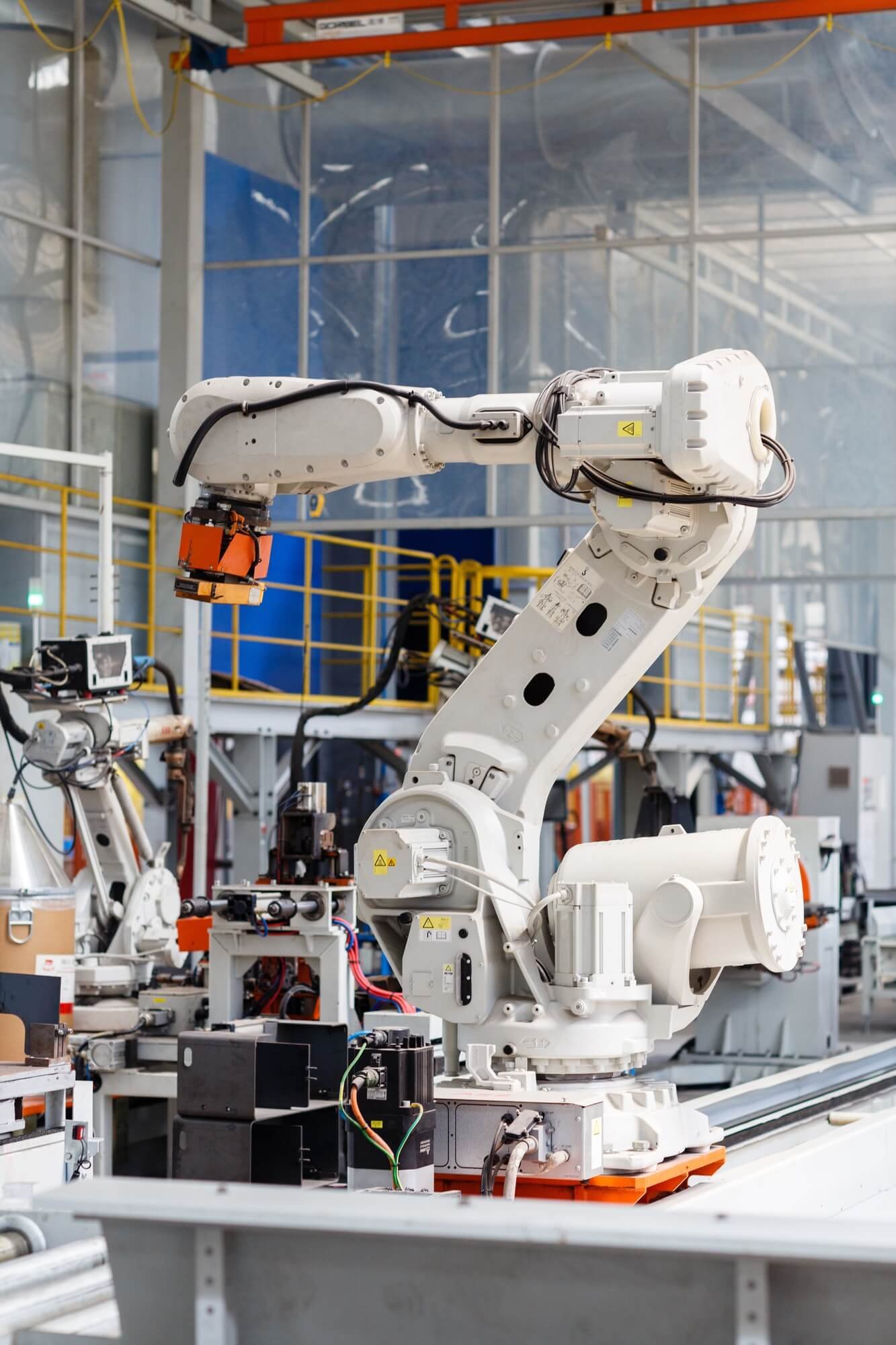
**Author:** dxk **Last updated:** July 13, 2026 **Estimated reading time:** 22–26 minutes > **Quick answer:** The best robotic welding system is not the one with the most sensors or the newest software. It is the system that can repeatedly locate the real joint, maintain the required…
**Estimated reading time:** 18–22 minutes Two robotic welding systems can operate in the same workshop, weld the same material, and use the same nominal current, voltage, and travel speed—yet produce very different results. One produces smooth, repeatable welds. The other struggles with spatter, undercut, lack of…
You may want robot welding, but your parts keep changing. The cost of teaching grows fast. I see many factories lose confidence before they start. **Smart robotic welding for flexible manufacturing uses 3D vision and intelligent weld path generation to reduce manual programming. The operator places…
I see many factories lose time on small parts because every part looks different. The work feels simple, but the hidden cost keeps growing. **Real intelligent welding for non-standard batch small components means the operator places parts freely, the 3D vision system scans the whole area,…
Shipyard parts change fast. Welders and engineers feel pressure. A robot alone can become another bottleneck when every seam still needs manual teaching. **Intelligent welding can help shipyards automate suitable small sub-assemblies and medium-resistance components by using 3D vision scanning, seam recognition, real position correction, and…