
Many factories feel pressure from unstable weld quality, rising labor cost, and delayed delivery. I see the same problem become bigger when buyers choose the wrong robot.
I choose an intelligent welding robot by checking its real working logic, not only its price. I first separate automation from intelligence, then I review configuration, accuracy, stability, real cases, and online vision ability. The right system must fit the product, not only look advanced.
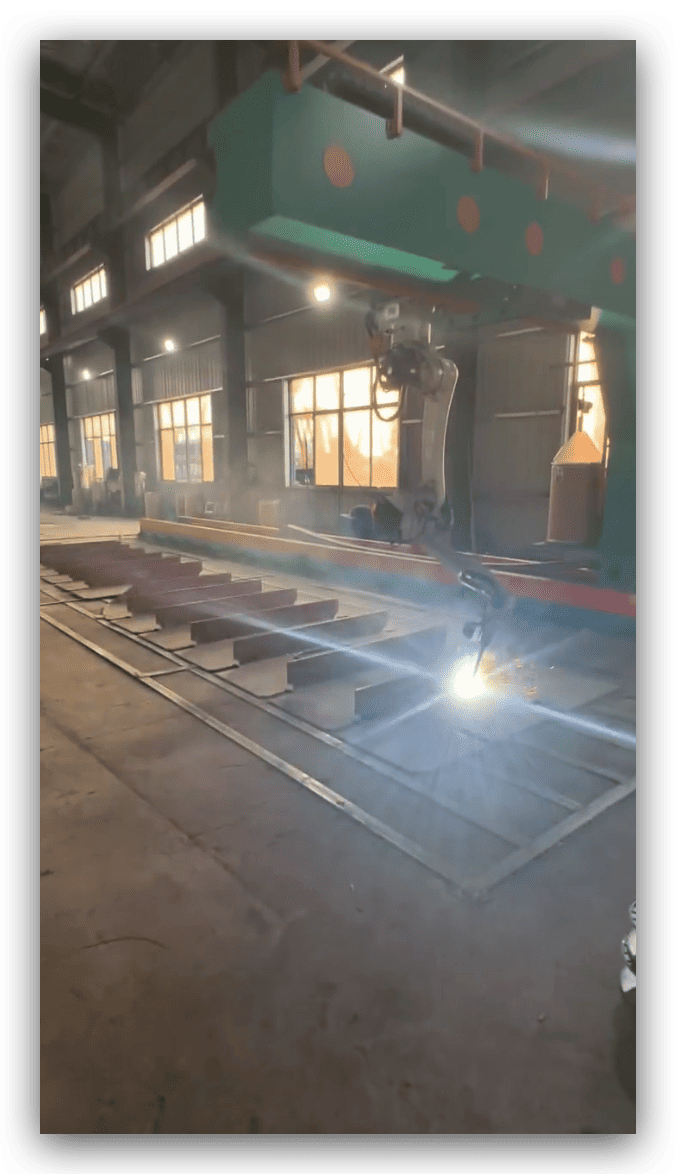
I have met many customers who ask one direct question at the beginning: “Can your robot weld my product?” I understand this question, because welding automation is not a small purchase. It affects production speed, worker training, weld quality, and factory profit. I also know that this question is not enough. A better question is: “What kind of welding work is this robot truly suitable for?”
I often compare the choice of welding equipment with hiring a skilled welder. I do not start with salary. I first check the basic ability. I check whether the person can see the weld seam, control the torch, keep a stable hand, and understand the material. I use the same method when I judge an intelligent welding robot. I check the robot body, the vision system, the torch calibration, the external axis, the software logic, and the real welding result.
Many buyers still treat intelligent welding robots as simple automatic machines. I think this is the first misunderstanding. Automation and intelligence are not the same thing. Automation usually means a custom project. Intelligence means a more standard product with flexible use. This difference decides the cost, the delivery time, the operation method, and the long-term value.
Why Is Automation a Project, While Intelligence Is a Product?
Many factories buy automation with high hope, then face slow changeover and high support cost. I see this happen when a project is sold as a product.
Automation usually serves one fixed process. Intelligence serves many changing products through standard hardware, vision, and software logic. I see intelligent welding workstations as productized systems, such as rail workstations, cantilever workstations, and gantry workstations, which can adapt to different workpieces.
I Separate Two Different Business Logics
I treat traditional automation as a project because it is usually built around one specific product. I see this in car production lines, milk packaging lines, and parcel sorting lines. The system is designed for a clear product, a clear beat, and a clear process. The value is high when the product is stable. The risk is also high when the product changes often.
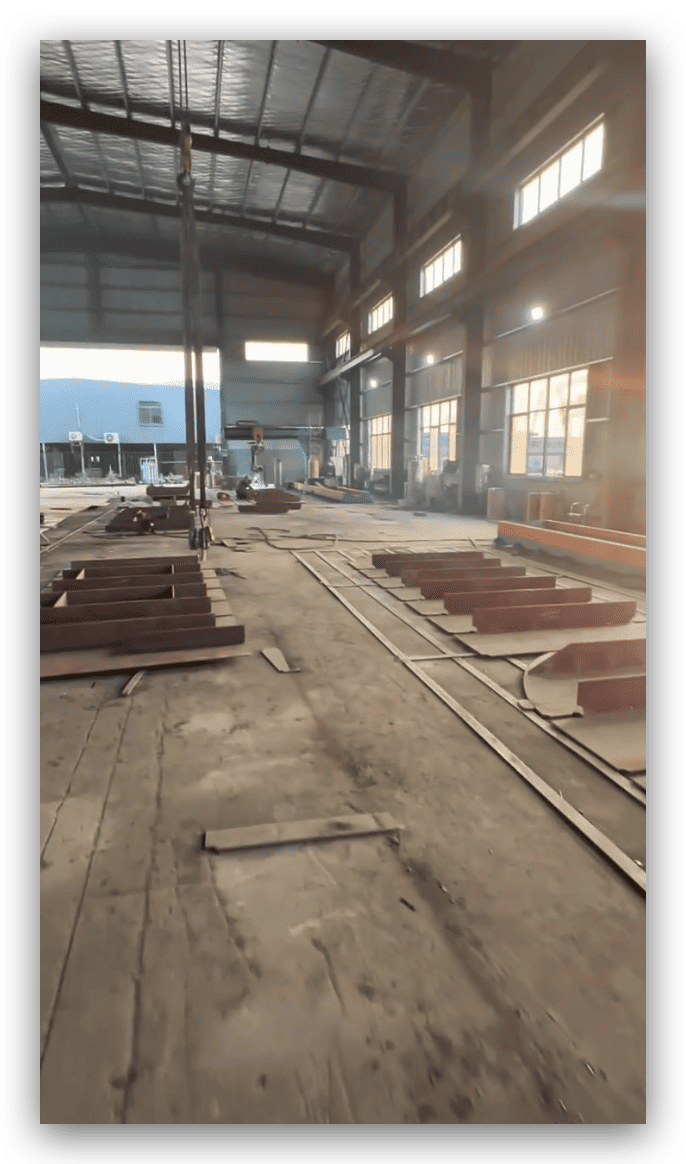
I treat intelligent welding as a product because the workstation itself has common use. A rail-type welding workstation can serve many long parts. A cantilever workstation can serve many medium parts. A gantry workstation can serve large steel structures, tanks, and frames. The system does not start from one single workpiece. It starts from a standard platform, then it matches different welding needs.
| Comparison Point | Traditional Automation | Intelligent Welding Product |
|---|---|---|
| Main logic | Custom project | Standard workstation |
| Best use | Stable mass production | High-mix, low-volume work |
| Changeover | Often slow | Faster with vision and software |
| Programming | Often needs engineers | Can use automatic path generation |
| Investment risk | Higher when product changes | Lower when part types vary |
| Main value | Repeat one process | Adapt to different workpieces |
I Ask Customers One Hard Question
I often ask customers: “Do you want the machine to copy one worker’s fixed movement, or do you want it to understand different weld seams?” This question sounds simple, but it changes the whole purchase plan.
If a factory makes one automotive part for five years, a custom automation line may be the best choice. If a factory makes steel structures, pipes, tanks, brackets, frames, and many non-standard parts, then a rigid project line may become a burden. The factory needs a system that can adjust faster.
I See Productized Workstations Change the Market
I believe productized intelligent welding stations are changing the welding industry because they reduce the fear of automation. Many small and medium workshops used to think robots were only for large factories. They also thought robot welding always needed programming engineers. I understand this concern because traditional offline programming can be slow, expensive, and difficult.
A productized intelligent workstation gives a different path. I can build the machine around standard mechanical structures, industrial robots, welding power sources, sensors, and 3D vision. I can then let software generate the welding path after it sees the real workpiece. This method is closer to how a welder works. A welder first looks at the seam, then moves the torch. I believe the intelligent system should follow the same order.
I Do Not Say Intelligence Can Do Everything
I still need to be honest. Intelligence does not mean magic. I do not tell customers that one machine can solve every welding problem at the lowest cost. A reasonable intelligent welding system needs a clear working range. It needs a suitable material range, thickness range, workpiece size, joint type, and welding requirement.
I see the best users choose products in a practical way. They do not ask, “Can this machine do everything?” They ask, “Which of my products can keep this machine busy and profitable?” This thinking is more useful. It helps the factory turn a robot from a showroom machine into a daily production tool.
Why Is Robot Value Decided by Configuration, Accuracy, and Stability, Not Price?
Many buyers compare only quotations, then they find hidden cost later. I believe a cheap robot becomes expensive when accuracy and stability cannot support production.
The real value of a welding robot comes from its configuration, robot repeatability, vision accuracy, torch calibration, external axis accuracy, welding power source, and proven stability. I always check these basics before I discuss price, because poor basics cannot be fixed by beautiful software.
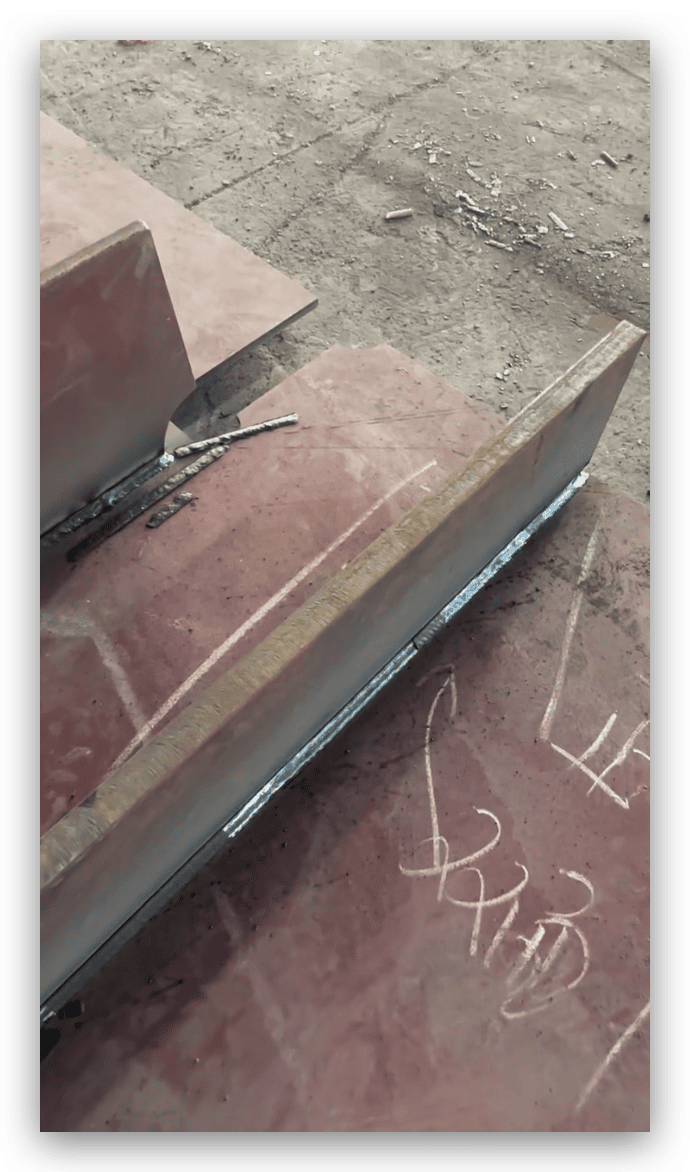
I Do a “Physical Check” Before I Talk About Price
I use a simple method when I help customers choose equipment. I call the first step a physical check. I do not start with the final price. I first check whether the machine has a healthy foundation.
A robot welding system is not only a robot arm. It is a full system. The robot must move accurately. The vision system must find the seam accurately. The torch must be calibrated correctly. The external axis must rotate or move the workpiece with enough precision. The welding power source must match the material and thickness. The fixture must hold the part in a repeatable way. The software must connect all parts into one stable process.
| Basic Item | Why I Check It | Risk If It Is Weak |
|---|---|---|
| Robot body accuracy | It controls motion repeatability | Weld path may drift |
| Vision accuracy | It finds the real seam | Robot may weld beside the seam |
| Torch calibration | It defines tool center point | Good scan data may still produce bad welds |
| External axis accuracy | It controls position changes | Multi-side welding may lose alignment |
| Welding source | It controls penetration and bead quality | Weld may lack fusion or spatter too much |
| Fixture design | It controls part stability | Vision may spend time correcting avoidable errors |
| Software logic | It connects scan, path, and welding | Operation may become slow or unstable |
I Treat Real Cases as a Background Check
After the physical check, I do a background check. I ask whether the system has real application cases. I ask whether the supplier has solved similar products before. I ask whether the machine has worked for months or years in a real factory.
A demonstration video is helpful, but I do not treat it as the full answer. A video can show one good result. A real factory visit shows daily repeatability. A customer case shows whether the machine can survive dust, heat, operators, schedule pressure, and part variation.
I also ask about after-sales support. A robot system needs training, remote support, spare parts, and sometimes on-site service. I export equipment to Europe, the USA, the Middle East, and Southeast Asia, so I understand the value of support. A machine may be in another country, but the problem must still be solved fast.
I Use Sampling as the Final Interview
The final step is the interview. In welding equipment selection, the interview means sample welding, factory visit, and real product test. I prefer to test the customer’s own part when possible. This is the most direct way to find the truth.
Sample welding shows whether the system can handle the joint type, material, gap, thickness, and appearance requirement. It also shows whether the customer’s expectation is realistic. Some customers need full penetration welding. Some customers care more about appearance. Some customers need speed. Some customers need less grinding. I need to know the main target before I suggest a power level, robot type, or workstation form.
I Question Three Common Buying Mindsets
I see three different mindsets in the market.
The first mindset is “What can this equipment do?” This type of buyer often watches the technology like a show. I do not blame them. New welding systems look impressive. But this question may stay too general.
The second mindset is “What is this equipment suitable for?” I like this question most. It forces both sides to match the machine with real production. It respects the strength and limit of the equipment.
The third mindset is “I want it to do everything I need.” This mindset is understandable, but it can become risky. If every special request is added, the machine becomes more costly, more complex, and harder to maintain.
| Buyer Mindset | I See This Behavior | Likely Result |
|---|---|---|
| “What can it do?” | The buyer watches functions | The decision may stay shallow |
| “What is it suitable for?” | The buyer matches products | The machine can create steady value |
| “I want it to do everything” | The buyer adds many special needs | Cost and risk may rise fast |
I Believe Stable Profit Comes From Matching, Not Forcing
I often tell customers that a robot is not valuable because it is expensive. It is valuable because it works every day on the right products. If a factory chooses suitable parts, the robot can weld longer hours, reduce labor pressure, improve consistency, and shorten delivery time.
I also believe configuration must match the task. A 1500W handheld laser welding machine may fit thin stainless steel or sheet metal work. A 2000W or 3000W laser welding machine may fit thicker parts and higher efficiency needs. A robotic laser welding station with KUKA or SIASUN robot may fit factories that need stable automation. A MIG or TIG robotic welding system may be better for heavy industry and structural welding. An intelligent programming-free system with 3D vision may fit high-mix, low-volume production.
Price matters, of course. I also care about budget. But I do not let price become the only judge. I want the customer to compare cost with production time, labor saving, quality stability, rework reduction, and real output. That is the way I look at return on investment.
Why Does “See First, Then Weld” Replace Traditional Offline Programming?
Many factories lose time in teaching, modeling, and correcting. I believe online vision changes this because the robot first sees the real seam, then creates the path.
“See first, then weld” means the system uses industrial vision to identify the real weld seam before it generates the welding program. This differs from traditional offline programming, where engineers build a model, write a program, and then correct position errors with vision or touch sensing.
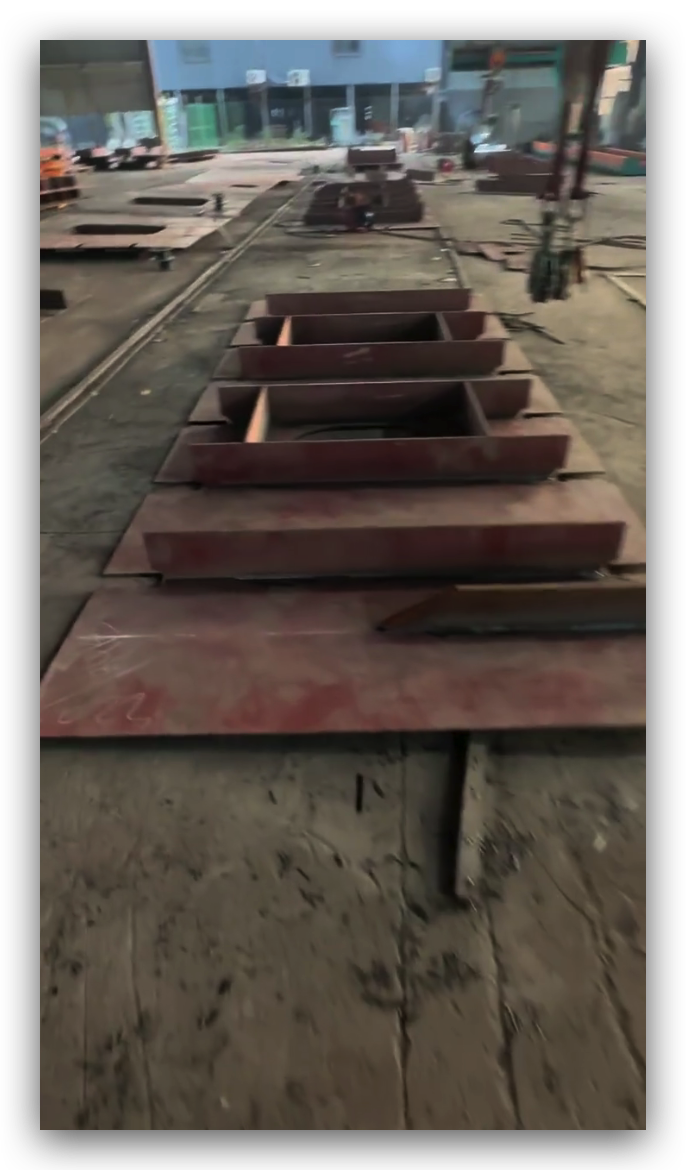
I Compare Two Technical Paths
Traditional offline programming usually starts from a digital model. An engineer builds or imports a model. The engineer makes a welding program. The system then uses touch sensing or vision to correct the difference between the model and the real part. This method can work well when the workpiece is consistent and the fixture is accurate.
Our intelligent logic is different. I prefer the “see first, then generate” method. The industrial vision system scans the real workpiece first. The software identifies the actual weld seam. The system then generates the welding path online. I see this as “what you see is what you weld.”
| Technical Step | Traditional Offline Programming | Online Vision Intelligent Welding |
|---|---|---|
| First action | Build model or program | Scan real workpiece |
| Seam source | Digital drawing or manual teaching | Actual seam position |
| Correction method | Touch sensing or vision correction | Direct path generation from scan |
| Best condition | Stable parts and accurate fixtures | Variable position and high-mix parts |
| Operator need | More programming skill | Less programming skill |
| Main benefit | Good for planned mass production | Good for flexible welding work |
I Think This Logic Is Closer to Human Welding
A skilled welder does not weld from a drawing only. The welder looks at the real seam, checks the gap, finds the start point, and then moves the torch. I think intelligent welding should also begin with seeing.
This is important because real production is never perfect. A pipe may move a little. A steel plate may have cutting error. A bracket may have a small gap difference. A tank part may not sit in the fixture exactly the same way each time. If the robot only follows a fixed path, the weld may miss the seam. If the robot can scan first, the system can adapt to position changes.
This is why I see online vision modeling as a strong path for metal fabrication workshops, steel structure manufacturers, pipe and tank producers, and heavy industry factories. These factories often do not make only one standard part. They deal with variation every day.
I Still Set a Boundary for Intelligent Recognition
I need to say this clearly. Online vision does not mean the system should identify every weld scar, avoid every complex obstacle, and make every decision like a human expert at any cost. Some functions are technically possible, but they may not be practical.
For example, a customer may ask the system to automatically recognize all old weld beads, all surface scratches, all oil marks, all holes, and all obstacles. I can discuss this need from a technical side. But I also need to calculate time cost, computing cost, sensor cost, and hardware cost. If the system becomes too expensive and too slow, it loses business value.
I believe real intelligence is not endless function stacking. Real intelligence is balance. The system must balance stability, efficiency, cost, and suitable use.
| Customer Request | Technical Possibility | Business Question I Ask |
|---|---|---|
| Auto find normal weld seam | Usually practical | Does the seam type match the scanner? |
| Auto adapt to part position change | Practical in many cases | Is the fixture variation within range? |
| Auto avoid every complex obstacle | Possible in some cases | Is the added cost worth it? |
| Auto judge all weld defects before welding | Very complex | Will this slow production too much? |
| Zero operator input | Rarely realistic | Who confirms product and process setup? |
I Prefer Practical Intelligence Over Fancy Intelligence
I often see customers attracted by big claims. They hear “AI welding,” “no programming,” or “fully automatic,” and they expect the machine to solve every production problem. I understand the attraction. I also think a supplier must explain the real working range.
A practical intelligent welding system should reduce programming work. It should improve seam finding. It should make operation easier. It should let normal workers run the machine after training. It should keep stable welding quality. It should support remote and on-site training. It should improve output without creating an engineering burden.
I do not want customers to buy a robot for a video. I want them to buy a robot for daily production. The machine should match the parts that come into the workshop every week. It should weld with stable quality. It should reduce dependence on rare skilled welders. It should help the factory quote more jobs with confidence.
I Use the Product to Judge the System
When a customer sends me a drawing or sample, I usually ask several practical questions.
I ask about material. I ask about thickness. I ask about joint type. I ask about penetration requirement. I ask about appearance requirement. I ask about production volume. I ask about part size and weight. I ask about the current welding method. I ask where the biggest pain is.
These questions help me choose between a handheld laser welding machine, a robotic laser welding station, a MIG or TIG robotic welding system, or a programming-free intelligent welding system with 3D vision. They also help me avoid over-selling. I do not want to recommend a complex system when a simple machine is enough. I also do not want to recommend a low-cost system when the job needs higher accuracy and power.
| Production Situation | I Usually Consider |
|---|---|
| Thin sheet metal and fast manual upgrade | Handheld laser welding |
| Stable repeated parts | Robotic welding station |
| Heavy structure and thick material | MIG robotic welding or high-power solution |
| Many part types and position variation | 3D vision programming-free system |
| Large workpieces | Gantry or rail workstation |
| Medium parts with flexible loading | Cantilever workstation |
Conclusion
I choose intelligent welding robots by matching real products with stable systems, clear limits, accurate vision, and practical value, not by chasing the lowest price.


